
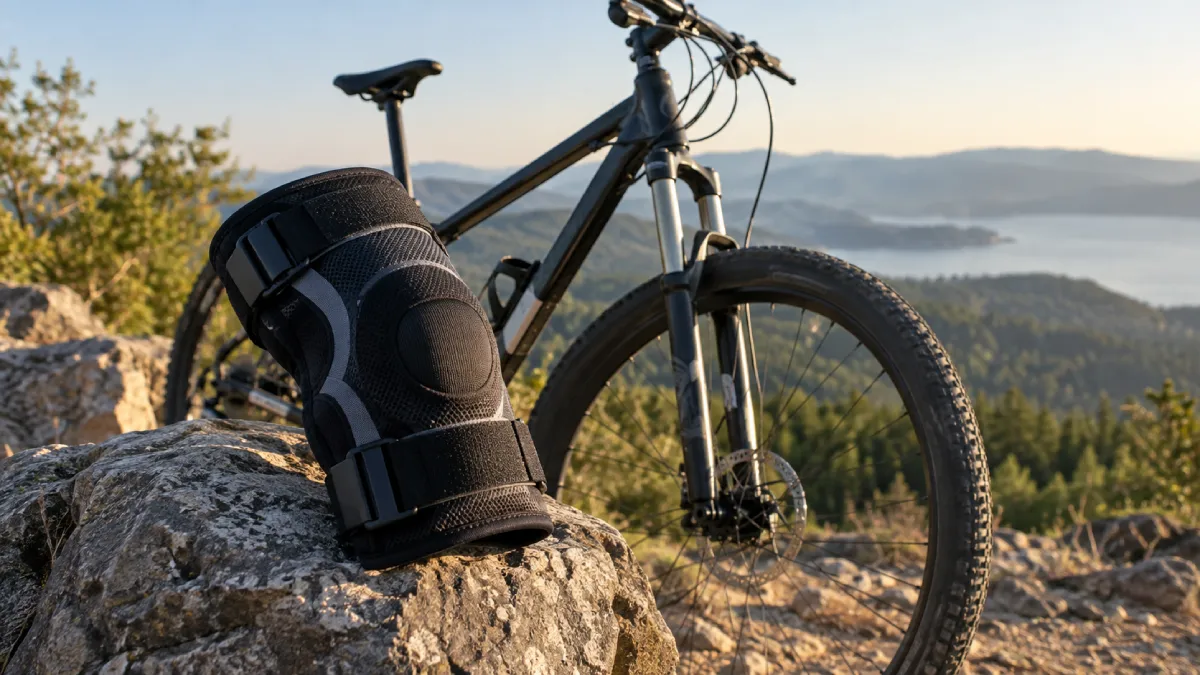
You should consider wearing a knee brace while cycling if you have prior knee injuries, persistent pain, or mild instability that affects your riding.
A properly fitted, low-profile brace can provide targeted support, improve patellar tracking, and reduce discomfort without limiting your knee’s natural motion or pedal stroke efficiency.
However, improper fit or bulky braces may hinder performance. Understanding when and how to use a brace can help you optimize knee health and cycling function.
Key Takeaways
- Wear a knee brace if you have prior knee injuries, pain, or mild instability during cycling to provide support and reduce discomfort.
- Choose low-profile, well-fitted braces that allow natural knee flexion to avoid interfering with your pedal stroke and power transfer.
- Compression sleeves and patella straps offer mild support and pain relief without restricting knee motion during rides.
- Avoid bulky or overly rigid braces as they can limit knee motion, reduce cycling efficiency, and increase fatigue.
- Seek professional evaluation if knee pain persists despite brace use, to address underlying issues and get a tailored support solution.
When to Use a Knee Brace During Cycling?
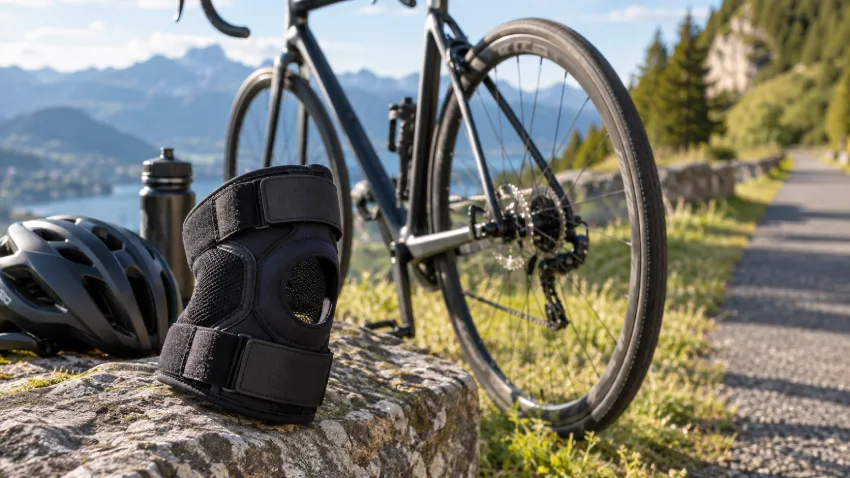
Although not every cyclist needs one, you should consider wearing a knee brace during cycling if you’ve had a prior knee injury or experience pain while riding.
Knee braces provide targeted support that can reduce discomfort, improve patellar tracking, and help prevent reinjury. If you notice mild instability or front-of-knee pain during pedaling, a brace can offer stability without restricting motion.
Cyclists often benefit from braces during long rides, cold weather, or intense sessions when joint stress increases. However, the brace must fit well and remain low-profile to avoid interfering with your pedal stroke.
For enhanced protection, some riders opt for gear with CE Level 2 certification to ensure higher impact standards and durability.
Types of Knee Braces and Their Benefits
When choosing a knee brace for cycling, understanding the different types and their specific benefits can help you select the most appropriate support for your needs.
Compression sleeves offer light pressure and warmth, easing general discomfort without restricting motion.
Patella straps specifically target kneecap alignment, reducing front-of-knee pain common in cyclists.
If you experience mild instability, low-profile adjustable braces provide stability while allowing natural knee flexion.
For more significant injuries, hinged braces deliver enhanced support but may be less flexible.
Neoprene braces combine warmth and compression, benefiting sore joints in cold conditions.
Each type balances support with flexibility. Selecting one that fits securely without impeding your pedal stroke is essential for effective protection and comfort during rides.
Additionally, many modern braces utilize breathable, moisture-wicking fabrics to enhance comfort and reduce heat buildup during extended cycling sessions.
How Knee Braces Affect Pedaling and Knee Motion?
When you throw on a knee brace for cycling, it’s crucial to think about how it impacts your knee flexion and overall pedal stroke efficiency. You want a brace that offers support without getting in the way of your natural movement, right? A well-designed brace should help you out, allowing for that smooth pedaling action we all aim for.
But here’s the catch: if your brace is too bulky or rigid, it might actually limit your motion. That can really put a damper on your cycling performance. So, finding the right balance is key! Choosing gear with adjustable fit and mobility ensures you maintain comfort and avoid fatigue during rides.
Impact On Knee Flexion
Knee braces can impact your pedaling by influencing knee flexion, which is essential for a smooth and efficient cycling motion.
A well-designed cycling brace allows sufficient bend and extension without restricting your natural range of motion. It supports the joint while maintaining flexibility, ensuring you can complete each pedal stroke fully.
However, braces that are overly rigid or bulky may limit knee flexion, causing discomfort and potentially altering your biomechanics. This restriction can lead to inefficient movement and increased fatigue.
Choose low-profile, flexible braces that provide targeted support, such as patellar stabilization or compression, without compromising knee mobility.
Proper fit is critical; a brace that’s too tight or loose can impede motion or slip. Overall, the right brace preserves your knee’s functional flexion during cycling, promoting comfort and injury prevention.
For added safety, regularly inspect and maintain your brace and related equipment to ensure optimal performance and avoid unexpected issues during activity, similar to equipment maintenance practices recommended for knee scooters.
Pedal Stroke Efficiency
Maintaining pedal stroke efficiency requires smooth, unrestricted knee motion throughout each revolution. When you wear a knee brace, it’s essential that the support doesn’t impede your knee’s natural flexion and extension. This can otherwise reduce power transfer and increase fatigue.
Cycling-specific braces provide compression and mild stabilization while preserving motion. This is in contrast to bulky or rigid braces that restrict knee movement.
| Brace Type | Effect on Pedal Stroke |
|---|---|
| Compression Sleeve | Maintains flexibility, adds warmth |
| Hinged Brace | Limits excessive motion, may reduce efficiency |
| Patella Strap | Targets kneecap tracking, minimal motion impact |
Choose a brace that fits well and supports without restricting. This ensures efficient pedaling and protects your knee during rides. Advanced protective gear often uses impact foam technology to combine comfort with effective stabilization.
Knee Brace Fit and Comfort Features to Consider
Although selecting the right brace type is essential, ensuring proper fit and comfort plays an equally important role in effective knee support during cycling.
You need a brace that matches your knee measurements closely to provide secure, nonrestrictive support. It shouldn’t limit your pedal stroke or knee flexion, as mobility is critical for efficient cycling.
Look for moisture-wicking, breathable fabrics to maintain comfort on long rides and prevent skin irritation. A no-slip design is vital because your knee repeatedly bends and extends, and you want the brace to stay in place without bunching.
Open-back or low-profile braces reduce bulk and rubbing under cycling clothing, enhancing comfort. Prioritize these fit and comfort features to maintain knee support without compromising your cycling performance.
For injuries like sprained ankles, using a brace that limits inversion and eversion can provide necessary stability while cycling during recovery, which highlights the importance of supportive braces in injury management.
Possible Drawbacks of Wearing a Knee Brace
While knee braces can offer valuable support during cycling, you should be aware of potential drawbacks that might affect your comfort and performance.
Poorly fitted braces can cause tightness, restrict circulation, or create discomfort during repetitive knee flexion.
Heavy or bulky supports may interfere with efficient pedaling mechanics by limiting natural knee motion or adding unnecessary weight.
Additionally, relying too much on a brace might mask pain without addressing underlying issues like improper bike fit or muscle imbalances.
This dependence may also delay proper rehabilitation for injuries.
Since support products vary widely in quality and design, choosing a cycling-specific brace that balances stability and flexibility is essential to minimize these drawbacks and maintain peak knee function throughout your ride.
It is also important to consider bike fit adjustments as they play a critical role in preventing and managing cycling-related joint stress.
When to Talk to a Pro About Your Knee Pain?
If your knee pain persists despite using a brace and adjusting your bike fit or training load, it’s time to seek professional evaluation. Persistent symptoms may indicate underlying issues such as ligament damage, meniscal injury, or patellofemoral dysfunction that require targeted intervention.
Persistent knee pain despite adjustments signals the need for professional assessment to address potential underlying injuries.
You should consult a clinician if you experience swelling, instability, locking, or sharp pain during or after cycling. These signs suggest more than simple overuse and could necessitate imaging or specialized physical therapy.
Additionally, if pain worsens despite conservative measures, a professional can reassess your bike setup and training regimen to identify biomechanical contributors. Early consultation prevents chronic problems and guarantees you receive a brace tailored to your specific condition, optimizing both support and cycling performance.
Don’t delay evaluation to avoid prolonged discomfort or injury progression. Early diagnosis and controlled rehabilitation are essential to prevent lasting deficits and optimize outcomes.
Frequently Asked Questions
Can I Wear a Knee Brace on Both Knees at the Same Time?
Yes, you can wear knee braces on both knees simultaneously if you experience bilateral pain, instability, or prior injuries affecting both sides.
Make sure each brace fits properly, stays low-profile, and doesn’t restrict your pedaling motion.
Using braces on both knees can provide balanced support, reduce discomfort, and improve stability during cycling.
However, monitor comfort closely and consult a clinician if pain persists or worsens despite using braces on both knees.
How Do I Clean and Maintain My Cycling Knee Brace?
Think of your cycling knee brace as a delicate piece of gear. You should hand wash it gently with mild soap and cold water to preserve its elasticity and fit.
Avoid harsh detergents, bleach, or heat, as these can degrade materials.
Air dry your brace flat, away from direct sunlight or heat sources.
Regular cleaning prevents odor and bacteria buildup, ensuring your brace stays supportive and comfortable for every ride.
Are There Knee Braces Designed Specifically for Mountain Biking?
Yes, you’ll find knee braces designed specifically for mountain biking. These braces combine lightweight, low-profile construction with durable materials to withstand rugged trails and impacts.
They offer flexible support, often with reinforced protection around the knee, to accommodate aggressive riding and frequent knee flexion. Look for braces that provide stability without restricting motion, feature moisture-wicking fabrics, and include a secure, no-slip fit to keep comfort and safety high during technical rides.
Can Knee Braces Be Worn Over or Under Cycling Shorts?
Like a second skin, knee braces can be worn either over or under your cycling shorts.
Wearing them under shorts offers a sleek, low-profile fit that reduces bulk and slipping, ideal for comfort and moisture control.
Over-shorts placement may be easier for adjustment and breathability but can cause rubbing or bunching.
Choose based on your brace’s design and personal comfort, ensuring it stays secure without limiting knee motion during pedaling.
How Long Should I Wear a Knee Brace After Cycling?
You should wear a knee brace after cycling for as long as you experience discomfort, swelling, or instability, typically ranging from a few hours up to the rest of the day.
Remove it once symptoms subside to avoid unnecessary compression.
If you notice persistent pain or swelling beyond 24-48 hours, consult a healthcare professional.
They can provide guidance on duration based on your specific injury or condition and help adjust your rehab plan accordingly.
How to Choose the Right Knee Brace for Cycling
If you experience knee pain while cycling, wearing a knee brace might reduce discomfort and improve stability. Studies show that up to 40% of cyclists report knee issues.
Choosing the right brace and ensuring a proper fit can help maintain your pedaling efficiency without restricting motion. However, braces aren’t a cure-all and may cause drawbacks like skin irritation.
If pain persists, consult a healthcare professional to address underlying causes and get personalized advice.