

If you prioritize lighter weight, folding bead tires with Kevlar offer better portability and improved ride comfort due to their supple, flexible design.
They accelerate quicker and pack tightly for easy storage. However, wire bead tires, with their rigid steel wire, provide greater durability and cost efficiency.
This makes them ideal for budget-conscious riders who want long-lasting performance. Choosing between them depends on your riding style and priorities. You’ll find deeper insights on which suits your needs best ahead.
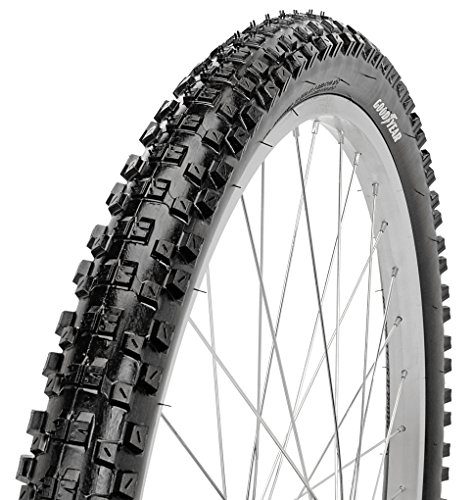
- Folding bead 26-inch tire
- Fits rims 2-2. 125 inch
- For mountain bikes

- Rubber Compound: Standard Tire Bead: Wire Tire Detail Color: Black Tire Diameter: 26″ Tire Width:…
Key Takeaways
- Folding bead tires use flexible Kevlar beads, allowing compact folding and lighter weight compared to rigid steel wire beads in wire bead tires.
- Kevlar beads reduce rotational mass, enhancing acceleration, climbing efficiency, and ride comfort through better surface conformity.
- Wire bead tires offer greater durability and wear resistance due to steel wire construction, suitable for heavy use and budget-conscious riders.
- Folding bead tires are pricier but provide superior portability and easier storage for bikepacking or carrying spares.
- Wire bead tires maintain consistent shape and on-road stability but are heavier and less flexible, resulting in a harsher ride.
Key Differences Between Folding and Wire Bead Tires
| Feature | Folding Bead Tires | Wire Bead Tires |
|---|---|---|
| Bead Material | Kevlar, flexible and lightweight | Steel wire, rigid and strong |
| Weight | Lighter, reduces rotational mass | Heavier, increases rotational inertia |
| Portability | Highly compact, folds easily for travel | Rigid shape, difficult to pack |
| Durability | Durable for regular riding, slightly less robust | Very durable, resists wear and deformation |
| Ride Comfort | Supple feel, absorbs vibrations better | Stiffer ride with consistent road feel |
| Installation & Repairs | Flexible bead, can be trickier to mount | Easier handling due to rigid structure |
| Performance Impact | Faster acceleration and climbing efficiency | Stable performance, slightly reduced responsiveness |
| Storage Ease | Minimal storage space required | Requires more room due to fixed shape |
Understanding Folding and Wire Bead Tires
While choosing between folding and wire bead tires, you need to understand their fundamental construction differences: folding bead tires use flexible Kevlar beads that allow them to fold compactly without damage.
In contrast, wire bead tires feature rigid steel wire beads that maintain a fixed shape and prevent folding. Kevlar beads provide flexibility by replacing steel wire with a high-strength fiber, enabling compact storage and easier transport.
Steel wire beads guarantee structural rigidity, preserving the tire’s circular profile under load and resisting deformation. Additionally, wire bead tires often incorporate dual compound rubber for enhanced durability. Wire beads share a similarity with Brooks saddles’ use of steel rails to provide strength and durability in a classic design.
How Folding and Wire Bead Tires Differ in Weight?
Because folding bead tires use Kevlar instead of steel wire, they weigh substantially less, which directly reduces the rotational mass of your wheels.
Typically, a 26-inch folding tire is about 100 grams lighter per tire compared to its wire bead counterpart. This weight difference translates to improved acceleration and climbing efficiency since less energy is needed to spin lighter tires.
In contrast, wire bead tires incorporate steel wire beads that add roughly 2 ounces (around 57 grams) per tire, increasing overall weight and rotational inertia. While this added mass may marginally reduce responsiveness, wire bead tires offer enhanced rigidity.
When you prioritize performance and agility, folding bead tires provide a measurable advantage through their lower weight. Wire bead tires prioritize structural stiffness over weight savings.
Additionally, just as wheel material and performance affect scooter wheel speed and durability, the choice between folding and wire bead tires similarly impacts ride quality and efficiency.
Which Bead Type Is More Durable?
Evaluating durability between folding and wire bead tires hinges on the materials used in their construction.
Wire bead tires utilize steel wire, which delivers exceptional strength and resistance to wear. Folding bead tires rely on Kevlar, offering flexibility but slightly less robustness under heavy use.
When choosing durability, consider these factors:
- Material Strength: Steel wire beads resist damage and maintain shape longer than Kevlar beads.
- Wear Resistance: Wire bead tires often incorporate dual compound rubber, extending lifespan.
- Deformation Behavior: Kevlar beads may stretch unpredictably over time, potentially affecting fit and durability.
If durability under rigorous conditions is your priority, wire bead tires typically outperform folding beads due to their rigid, wear-resistant steel core and enhanced rubber compounds. Additionally, maintaining proper tire balance is crucial as it prevents premature tire wear and extends the life of the tire regardless of bead type.
Portability and Convenience of Folding vs Wire Bead Tires
If you’re thinking about packing a spare tire, folding bead tires really shine here. They can compress down into a compact form, which makes storage and transport a breeze.
You can easily tuck them away in your bag without taking up too much space.
Now, let’s talk about wire bead tires. They tend to keep a rigid shape, which complicates things when it comes to packing.
Because of that rigidity, they require more room, which isn’t ideal, especially if you’re on a long ride or embarking on a bikepacking adventure.
Efficiency is key in those situations, and that’s where folding bead tires take the lead!
Additionally, choosing wheels with tubeless-ready rims can enhance ride performance and reduce flats, complementing the portability of folding bead tires.
Folding Tire Storage Ease
Frequently, cyclists prioritize tire portability for efficient storage and transport. Folding bead tires excel in this aspect due to their Kevlar construction, allowing them to fold compactly without damage.
This flexibility contrasts sharply with wire bead tires, which retain a rigid, circular form due to their steel wire bead. This makes them bulky and less convenient for packing.
When considering folding tire storage ease, focus on these key points:
- Folding tires compress into smaller volumes, saving space in bags and storage compartments.
- Their reduced bulk facilitates carrying spares on long rides or bikepacking trips.
- The Kevlar bead’s resilience guarantees repeated folding doesn’t degrade tire integrity.
Choosing folding tires streamlines transport logistics, enhancing convenience without compromising durability. Additionally, using gear with Kevlar construction contributes to durability and flexibility, making folding tires a practical choice for cyclists seeking both performance and portability.
Wire Tire Packing Challenges
While folding tires offer clear advantages in compact storage and transport, wire bead tires present notable packing challenges due to their inherent rigidity. Their steel wire bead construction prevents folding, forcing you to accommodate their fixed, hula-hoop-like shape.
This rigidity complicates packing, especially for long rides or bikepacking where space is limited. You can’t compress or fold wire bead tires, so carrying spares becomes bulky and inconvenient. Additionally, their heavier weight adds to the packing burden.
Unlike folding tires with Kevlar beads that fold compactly without damage, wire bead tires require more dedicated storage space, reducing portability. If you prioritize ease of transport and minimal volume, wire bead tires may hinder efficient packing despite their durability and cost benefits.
Moreover, wire bead tires often emphasize durability and flat resistance, which is a trade-off for their reduced portability.
Performance: Riding With Folding Vs Wire Bead Tires
When you ride with folding bead tires, you really get to enjoy some nice benefits. They’re lighter, which makes a difference in how your bike handles. Plus, their supple construction gives you better traction, so you can accelerate faster and navigate corners with ease.
On the flip side, wire bead tires have their own characteristics. They tend to offer a stiffer ride and come with a bit more rotational mass. This can affect how responsive your bike feels, but they do provide consistent stability on the road. Folding beads also allow for easier installation and storage due to their flexible nature, as seen in several folding bead tire models.
Traction And Ride Quality
Because folding bead tires utilize a Kevlar bead, they offer greater suppleness. This directly enhances traction and ride comfort compared to the stiffer wire bead tires.
This flexibility allows the tire to conform more effectively to surface irregularities, improving grip and reducing vibration transmitted to the rider. In contrast, wire bead tires maintain rigidity, limiting compliance and resulting in a harsher ride.
Consider these key aspects:
- Surface Adaptation: Folding beads flex under load, optimizing contact patch and traction.
- Vibration Damping: Increased suppleness reduces road buzz, enhancing comfort.
- Handling Precision: Enhanced compliance improves cornering stability and control.
Regular maintenance, such as checking tire condition and pressure, is essential to prevent issues like wear and low compression that can affect overall performance.
Weight Impact On Performance
Frequently, the weight difference between folding and wire bead tires markedly influences your bike’s overall performance.
Folding bead tires, typically around 100 grams lighter per 26-inch tire, reduce rotational mass appreciably. This reduction translates to quicker acceleration and improved climbing efficiency, allowing you to conserve energy on demanding terrain.
Conversely, wire bead tires add approximately 2 ounces per tire due to their steel bead construction, increasing rotational inertia and slightly dampening responsiveness.
Although this added weight may marginally affect speed, wire bead tires offer enhanced durability.
When you prioritize performance, especially in racing or long climbs, folding bead tires provide a tangible advantage by minimizing energy loss.
However, if durability and cost are paramount, the weight penalty of wire bead tires might be acceptable without severely compromising everyday ride quality.
Additionally, just as choosing between tire bead types impacts performance, selecting between Press Fit and Threaded Bottom Brackets also affects bike maintenance and durability.
Choosing the Right Tire Bead Type for Your Riding Needs
Although both folding and wire bead tires serve distinct purposes, selecting the right bead type depends on your specific riding demands, such as weight sensitivity, durability requirements, budget constraints, and portability needs.
Choosing between folding and wire bead tires hinges on your priorities: weight, durability, cost, and portability.
You must analyze your priorities carefully to maximize performance and practicality.
Consider these factors:
- Performance vs Weight: If you prioritize acceleration and climbing, folding Kevlar beads reduce rotational mass markedly, enhancing responsiveness.
- Durability and Cost: Wire steel beads offer superior toughness and longevity at a lower price point. They’re suitable for heavy use and budget-conscious riders.
- Portability: Folding tires fold compactly, making them ideal for travel or spares on extended rides.
In contrast, wire bead tires maintain rigidity, complicating transport.
Match your tire bead choice to your riding style and conditions for optimal results.
Frequently Asked Questions
Can Folding Bead Tires Be Repaired as Easily as Wire Bead Tires?
You won’t find folding bead tires as easy to repair as wire bead tires.
Their Kevlar bead construction offers flexibility but complicates patching or bead replacement.
Wire bead tires, with steel beads, provide a rigid structure that’s more straightforward to work on.
While folding tires fold for portability, their delicate bead requires careful handling during repairs.
This makes them less convenient for quick fixes compared to the robust wire bead versions.
Do Folding Bead Tires Have Specific Storage Temperature Requirements?
You don’t need to store folding bead tires at special temperatures, but keeping them in a cool, dry place extends their lifespan.
Avoid extreme heat above 40°C (104°F) or freezing below -20°C (-4°F), as temperature fluctuations can degrade the Kevlar bead and rubber compounds.
Store them away from direct sunlight and ozone sources to prevent premature aging.
Proper storage maintains flexibility and performance without imposing strict climate controls.
How Do Folding and Wire Bead Tires Affect Bike Handling in Wet Conditions?
Sure, if you want to perform a ballet on slippery ice, wire bead tires are your best bet.
Stiff and unyielding, they keep shape but offer limited grip in wet conditions.
Folding bead tires flex more, improving traction and ride feel when roads are slick.
Their supple nature helps you maintain control, though they might demand extra attention during mounting.
Are There Compatibility Issues With Certain Rims for Folding Bead Tires?
You might face compatibility issues if your rim isn’t designed for folding bead tires, as they require precise bead seats to guarantee proper fit and seal.
Folding beads, made from Kevlar, are more flexible but can be trickier to mount on rims with non-standard widths or profiles.
Always verify rim specifications for bead seat diameter and width to avoid poor seating, potential air leaks, or tire slippage during rides.
What Is the Environmental Impact of Kevlar Vs Steel Bead Tires?
You’ll find Kevlar beads, used in folding tires, demand more energy and complex processes to produce than steel beads, impacting environmental footprint negatively.
However, Kevlar’s lighter weight improves fuel efficiency in transport and cycling performance, potentially offsetting emissions during use.
Steel beads, while easier to recycle, involve mining and processing metals, which carry significant environmental costs.
Optimize Ride Performance with the Right Tire Bead Choice
You’ll notice folding bead tires are lightweight and packable, perfect for quick changes and travel. Wire bead tires offer rugged durability at a lower cost but add bulk.
Choosing between them means balancing portability against toughness, and price against performance. If you prioritize speed and convenience, folding beads excel.
If you want longevity and budget-friendliness, wire beads stand firm. Ultimately, your riding style and needs will guide the best bead choice.

- Package length: 12.192 cm
- Package width: 18.288 cm
- Package height: 31.496 cm
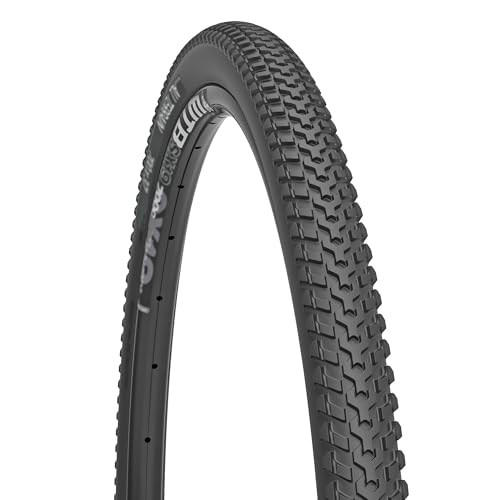
- VERSATILE PERFORMANCE FOR URBAN AND BEYOND: The WTB All Terrain tire is designed to handle a wide…
- SMOOTH RIDE ON PAVEMENT, AGGRESSIVE GRIP ON LOOSE TERRAIN: The All Terrain’s unique tread pattern…
- IDEAL FOR COMMUTING, TOURING, URBAN ADVENTURES, and MOUNTAIN: Whether you’re commuting to work,…
Last update on 2026-03-27 / Affiliate links / Images from Amazon Product Advertising API