
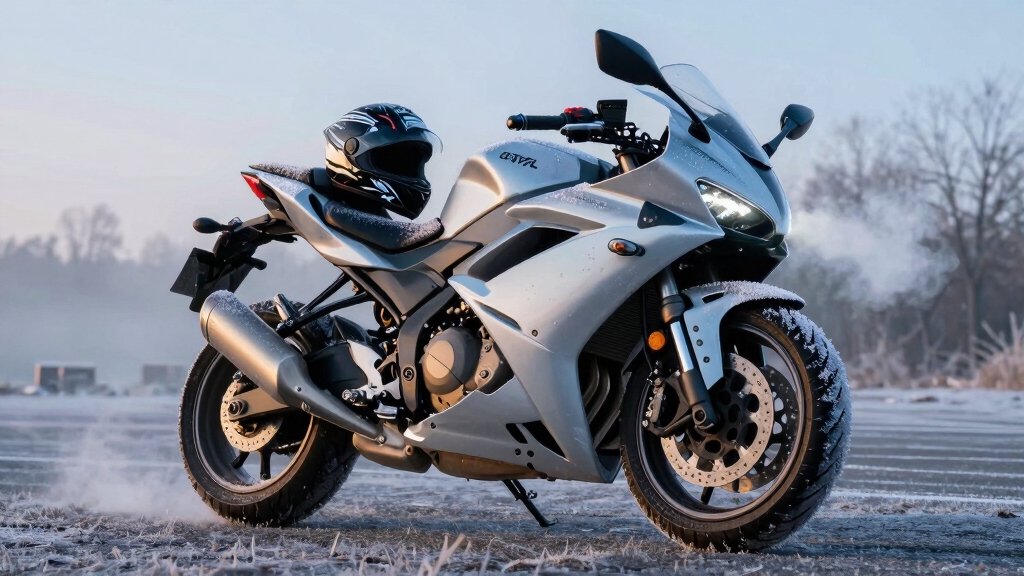
Riding a motorcycle below 32°F is risky because cold stiffens your tires and slows your reactions. Your bike’s battery and fluids underperform, increasing mechanical issues.
Exposure to freezing temperatures heightens your chance of hypothermia, numbness, and frostbite, all of which impair control. Roads get icy and slippery, hiding dangers beneath.
If you plan to keep riding in cold weather, understanding how the temperature affects you, your bike, and the road is vital to staying safe.
Key Takeaways
- Riding below 32°F (0°C) significantly increases ice formation and reduces traction, making conditions hazardous for motorcycles.
- Tyres stiffen and grip declines sharply below 10°C, causing longer braking distances and higher sliding risks.
- Prolonged exposure below freezing raises hypothermia and frostbite risks, impairing rider control and reaction times.
- Battery power and engine lubrication weaken below 0°C, increasing mechanical failures and no-start risks.
- Extremely cold conditions below -12°C cause severe mechanical issues and greatly elevate accident likelihood.
Understanding Temperature Thresholds for Safe Riding
While you might feel keen to hit the road on a crisp day, understanding temperature thresholds is essential for safe motorcycle riding.
Temperatures below 32°F (0°C) pose multiple risks, including ice formation that drastically reduces traction. Tyre stiffness below 10°C leads to reduced traction, longer braking distances, and increased sliding risk. Proper tire balance is crucial in these conditions to maintain better traction and stability.
Below freezing temperatures increase ice risks, significantly lowering motorcycle traction and safety.
Even above freezing, below 50°F (10°C), tyre performance declines, compromising grip and comfort.
When temperatures dip below 0°C, you face increased dangers from icy roads and weaker battery performance. At -7°C (19°F), tyres lose grip further, and engine oil thickens, reducing lubrication.
Riding below -12°C (10°F) introduces extreme mechanical issues and sharply raises accident risks. To stay safe, avoid riding when the temperature approaches freezing or lower.
Always check your bike’s fluid levels and tyre conditions before heading out on cold days.
Health Risks Associated With Cold Weather Riding
Riding in cold weather doesn’t just challenge your motorcycle’s performance; it also puts your health at risk. Prolonged exposure below 32°F markedly raises your risk of hypothermia, impairing decision-making and reaction times. The cold temperatures cause numbness in hands and feet, reducing reaction times and control. Using proper thermal gear helps maintain body heat and protect against frostbite.
Sub-zero temperatures combined with wind chill worsen this, accelerating fatigue and cognitive decline. Your hands and feet face frostbite dangers, especially when exposed or numb, which compromises your control and can cause permanent tissue damage.
Cold air inhalation can trigger respiratory issues like exercise-induced asthma and bronchitis, while dry winter air worsens lung irritation. Numbness and reduced circulation further slow your reflexes, increasing accident risk.
Understanding these health threats is essential. Dress appropriately, limit exposure, and stay alert to protect yourself during cold rides.
Impact of Cold on Motorcycle Performance
Because cold weather dramatically affects your motorcycle’s components, understanding its impact on performance is essential for safe and reliable riding.
Cold temperatures sap battery power, harden tires, thicken fluids, and strain electrical systems, all of which can compromise your bike’s responsiveness and safety. Charging time can more than double in cold conditions due to increased internal resistance in the battery.
Consider these critical impacts:
- Your battery loses up to 50% cranking power near freezing, risking no-starts and increased starter wear. Additionally, condensation on electrical connectors can disrupt circuits and cause malfunctions.
- Tires harden and lose grip below 10°C, and pressure drops reduce handling precision. Cold weather also slows chemical reactions in the battery, further extending recharge times.
- Thickened oils and fluids delay lubrication and slow shifting, raising mechanical wear.
- Electrical connections become brittle and corrosion-prone, causing intermittent faults.
Prepare accordingly to maintain performance and avoid unexpected failures when temperatures drop.
Navigating Road and Environmental Challenges in Winter
Cold weather doesn’t just affect your motorcycle’s mechanics. It creates complex challenges on the road that demand your full attention.
Slippery surfaces like black ice, slush, and compacted salt reduce traction. Proper gear and equipment, including tire chocks, can help maintain stability when stopped. Poor visibility from fog, snow, and glare increases collision risk.
You must anticipate hidden hazards like potholes worsened by freeze-thaw cycles. Remain alert to sudden crosswinds. Additionally, windchill can cause disorientation and shakiness, which may impair your concentration while riding.
Seasonal road treatments add loose gravel and corrosive residues that compromise stability. They also wear your bike faster.
| Challenge | Impact |
|---|---|
| Slippery Surfaces | Reduced tire grip, higher slip risk |
| Limited Visibility | Decreased reaction time, hidden bikes |
| Road Maintenance | Loose debris, unmarked hazards |
| Environmental Risks | Crosswinds, black ice unpredictability |
Stay vigilant and adjust your riding to these winter realities.
Essential Gear and Preparation for Cold Weather Riding
Prepare your body for winter rides by mastering a strategic layering system that balances warmth, moisture management, and breathability.
Start with thermal baselayers to wick sweat and retain heat. Add insulating mid-layers like fleece for warmth, then top with a windproof, waterproof outer shell to block cold air and precipitation. Remember that hypothermia risk increases when moisture and wind penetrate clothing layers. Using gear that offers water resistance can help maintain dryness and warmth.
Don’t forget multiple liners in your gear for adjustable insulation.
Focus on these essentials:
- Insulated, windproof gloves and boots to protect extremities.
- Neck gaiters or balaclavas to seal heat around your face and neck.
- Full-face helmets with fog-resistant visors to maintain visibility.
- Battery-powered heated gear for consistent warmth without bulk.
Proper preparation guarantees safety and comfort, letting you ride confidently despite dropping temperatures.
Frequently Asked Questions
How Does Altitude Affect Cold Weather Motorcycle Riding Safety?
Altitude makes cold weather riding riskier by dropping temperatures rapidly and thinning the air.
You’ll face reduced tire traction from pressure changes and slower warming of tires.
Your engine struggles with cooling and power, increasing overheating chances.
Plus, your judgment and reaction times may suffer, making you prone to mistakes.
Wind chill and black ice risks rise, so you must adjust speed, gear, and vigilance to stay safe on high-elevation rides.
Can Electric Motorcycles Handle Cold Weather Better Than Gas-Powered Ones?
You might think electric motorcycles brave cold like a winter warrior, but they face unique challenges.
Unlike gas bikes that run consistently in chill, e-motos lose battery range and power below freezing, sometimes up to 30%.
Charging gets tricky too, often requiring warm-up or indoor shelter.
What Are the Best Tire Types for Winter Motorcycle Riding?
For winter motorcycle riding, you’ll want winter sport-touring tires like Michelin Road 6 or Dunlop Roadsmart IV for superior wet grip and longevity.
If you face snow or ice, studded tires offer unmatched traction. Choose shorter studs for icy roads and longer ones for snow.
All-season tires with the 3PMSF snowflake symbol can handle light snow, but specialized winter compounds maintain flexibility and grip in subzero temps, ensuring safer rides.
How Does Cold Weather Impact Motorcycle Battery Life Specifically?
Cold weather reduces your motorcycle battery’s capacity by around 20–30%, making starts harder due to slower chemical reactions and increased internal resistance.
Lead-acid batteries risk freezing if not fully charged, causing permanent damage.
Lithium batteries avoid freezing but can suffer irreversible harm if charged below recommended temperatures.
To protect battery life, keep it charged with a temperature-compensated maintainer, store it indoors or insulated, and avoid extended exposure to extreme cold.
Are There Recommended Warm-Up Routines for Riders Before Cold Rides?
Yes, you should warm up before cold rides. Just 3–5 minutes of brisk walking raises your core temperature by 1–2°F, boosting circulation and coordination.
Follow with dynamic shoulder rolls and finger mobility exercises to maintain steering control.
Also, preheat your heated gear and idle the bike for 1–3 minutes to warm the engine and battery.
This routine helps prevent stiffness, improves safety, and guarantees both you and your motorcycle perform at their best in cold conditions.
Plan Your Ride: Avoid Risky Winter Conditions
Riding in the cold isn’t just about bravery. It’s about knowing when it’s too risky. If frostbite or icy roads start feeling like a scene from a medieval frost fair, it’s time to rethink hitting the road.
Your health, safety, and your bike’s performance depend on proper gear and preparation. Stay smart, check conditions, and never underestimate how cold can quickly turn a thrilling ride into a dangerous one. Ride safe, not sorry.