

Harley Davidson doesn’t offer motorcycles with fully automatic transmissions; their lineup primarily features traditional 6-speed manual systems with foot shifters and hand clutch levers.
You can find some semi-automatic options and aftermarket kits that add clutchless, automatic-like operation, especially on trikes and select models.
Their electric bikes use single-speed, clutch-free drivetrains, mimicking automatic simplicity.
If you want a deeper look into Harley’s transmission types, electric powertrains, and future trends, keep exploring their technical options.
Key Takeaways
- Harley Davidson primarily produces motorcycles with manual 6-speed Cruise Drive® transmissions featuring foot shifter and hand clutch lever.
- The company does not currently manufacture motorcycles with fully automatic transmissions in their factory lineup.
- Aftermarket automatic conversion kits, like Walters Manufacturing’s 3-speed TorqueFlite, are available for select Harley models and trikes.
- Harley’s electric LiveWire model uses a single-speed, clutchless drivetrain, providing an automatic-like riding experience without manual shifting.
- Harley Davidson emphasizes traditional manual transmissions for rider engagement, with no official plans to introduce factory automatic motorcycles.
Overview of Harley Davidson Transmission Types
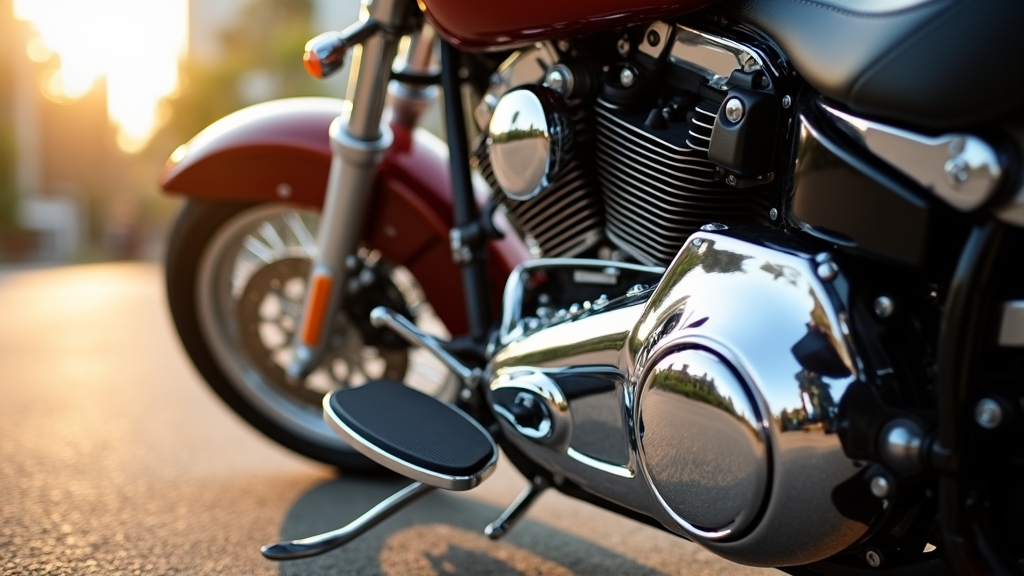
Although Harley-Davidson has evolved its transmission technology over the past century, it has consistently relied on sequential manual gearboxes tailored to different performance and riding needs.
Harley-Davidson’s transmissions have continuously evolved, yet remain true to their sequential manual gearbox roots.
You’ll find 3-speed transmissions in early models, progressing to 4-speeds by the 1930s, then 5-speeds in Big Twins by 1980, and 6-speeds becoming standard in the mid-2000s.
These gearboxes use sliding gears and shift clutches, requiring sequential shifting without skipping gears. The choice of transmission often depends on the bike model and build plans, influencing cable routing and clutch setup compatibility considerations. Proper maintenance and regular inspection are crucial to ensure smooth operation and safe handling.
Foot shifting replaced hand controls for Big Twins in the 1980s, while Sportsters adopted foot shifters exclusively early on.
Modern 6-speed Cruise Drive systems reduce engine rpm at highway speeds, enhancing efficiency and comfort.
Harley’s transmission options vary to match specific model requirements, balancing durability, torque capacity, and rider usability without deviating from traditional mechanical principles.
Aftermarket Automatic Transmission Conversions
If you’re thinking about upgrading your Harley Davidson to an automatic transmission, you’re in luck. There are quite a few aftermarket options out there that cater to popular models like the Touring, Dyna Glide, and Tri-Glide.
These conversions can vary quite a bit. Some offer true automatic gearboxes complete with torque converters, while others might provide hydraulic clutch kits or electric shifters. One popular upgrade is a hydraulic clutch conversion kit designed for 6-speed Touring and Trike models, which replaces the factory cable clutch with a hydraulic system for improved performance. These alternatives can make controlling your bike a bit simpler without the need to replace the entire transmission. It’s also essential to ensure compatibility with your bike’s model and year to achieve a secure and effective installation with the proper installation hardware.
Now, it’s definitely important to get a handle on the compatibility and technical features of each option. This way, you can find the best fit for your riding style and the specific model year of your bike.
Conversion Options Available
When you consider converting a Harley Davidson motorcycle to automatic transmission, aftermarket options like Walters Manufacturing’s 3-speed MoPar TorqueFlite conversion stand out for their engineering precision and reliability.
This system uses a genuine fluid-filled TorqueFlite transmission with a torque converter, eliminating the need for a clutch lever.
Custom adapters and covers ensure seamless integration with Harley’s V-twin engine, providing a factory-finished look with a black wrinkle finish. The conversion is designed with durable steel components to ensure long-lasting stability.
The conversion includes a jockey shift lever and a reverse gear, enhancing usability.
Unlike belt-driven CVTs, this transmission provides a true automatic experience with three speeds and manual gear selection via the jockey lever, offering both convenience and control true automatic transmission.
Priced between $12,000 and $15,000, it targets riders seeking clutch-free operation due to physical limitations or preference.
Known for durability and smooth shifting, this conversion addresses a niche unmet by Harley-Davidson, reflecting growing industry trends toward automatic transmissions in cruiser motorcycles.
Popular Models Supported
Which Harley-Davidson models are best suited for automatic transmission conversions?
Primarily, the 1999-2005 Dyna Glide models stand out, with aftermarket kits designed to integrate the TorqueFlite automatic transmission while preserving factory aesthetics like clutch lever removal and jockey shift levers. These kits improve rider convenience by eliminating manual clutch operation, which aligns with trends seen in automatic scooters that use CVT systems for ease of control.
Mid-sized cruisers such as the Street Bob, Fat Boy, and Heritage Classic also support automatic clutch system adaptations due to their compatible engine and drivetrain architectures. These models are popular among riders seeking ease of riding with automatic transmission and enhanced maneuverability often associated with automatic vehicles.
Touring models including the Street Glide and Road Glide attract conversions aimed at reducing rider fatigue on long rides. Their larger frames and powerful engines make them ideal candidates for automatic transmissions that can handle higher speeds and longer trips.
Additionally, Harley trikes (Freewheeler, Tri Glide) often feature semi-automatic transmissions or support aftermarket automatic upgrades, leveraging their stable three-wheel platforms. The stability and frame design of these trikes complement the benefits of automatic transmissions, especially in urban and suburban environments.
These conversions appeal to riders wanting an automatic experience without sacrificing classic Harley styling and performance.
Market Demand for Automatic Motorcycles
How significant is the market demand for automatic motorcycles today? The global semi-automatic motorcycle market is valued at $2.5 billion in 2025, growing at a 7% CAGR through 2033.
This growth reflects rising consumer preference for ease of use, especially among younger and novice riders. You’ll find demand driven by urbanization, higher disposable incomes, and expanding ride-sharing sectors. Folding mechanisms in scooters demonstrate how ease of operation is a key feature appreciated by users.
Key factors shaping market demand include:
- Asia-Pacific dominance with 70 million annual units, fueled by affordability and middle-class growth.
- Steady growth in North America and Europe, driven by interest in advanced, user-friendly transmissions.
- Commercial sectors like food delivery favoring automatic models for operational simplicity.
Additionally, major manufacturers such as Honda, Yamaha, and Suzuki are leading innovation in semi-automatic technologies to meet increasing consumer expectations for technological advancement.
Harley Davidson Trike Transmission Features
Harley Davidson trikes mainly come equipped with a six-speed manual transmission. This design really puts the emphasis on rider control and mechanical precision, which many enthusiasts appreciate.
The Milwaukee-Eight® 114 V-Twin engine powering these trikes delivers 119 ft-lb of torque, complementing the manual transmission’s performance capabilities. Proper tire balance is essential for these powerful machines to ensure smoother operation and better handling.
Now, if you’re someone who prefers an automatic transmission, you might be a bit disappointed since the factory setup doesn’t offer that option. But don’t worry! There are aftermarket solutions out there that can help you retrofit an automatic transmission if that’s what you’re after.
It’s interesting to note that the manual gearboxes are quite dominant in Harley’s trike community. This really sheds light on why automatic conversions are still considered a niche.
Many riders enjoy the hands-on experience that comes with shifting gears themselves, and that’s a big part of the Harley Davidson vibe. So, whether you’re a manual fan or leaning towards an automatic setup, there are options to suit your riding style.
Manual Transmission Dominance
Although many modern vehicles embrace automatic transmissions, Harley-Davidson trikes maintain a steadfast commitment to a 6-speed manual Cruise Drive® transmission.
You’ll find this manual setup paired with a foot shifter and hand clutch lever, delivering precise control and smooth shifting tailored to the Milwaukee-Eight® 114 engine’s torque characteristics. This design optimizes highway cruising with reduced engine speed, enhancing comfort and efficiency.
Key features include:
- Reinforced drivetrain components engineered for trike weight and torque demands.
- Electrically actuated reverse gear controlled via handlebars, separate from the main transmission.
- Sealed, maintenance-free transmission system with precision oil cooling for consistent performance.
This preference aligns with motorcycles’ traditional use of manual transmission to support higher speeds and stability on highways.
Aftermarket Automatic Options
While Harley-Davidson trikes continue to rely on their robust 6-speed manual transmissions, some riders seek alternatives that simplify operation and enhance overall stability during rides.
Aftermarket conversions like Walters Manufacturing’s 3-speed MoPar TorqueFlite automatic replace manual gearboxes on select Harley models, allowing clutchless and shift-free riding.
Although factory automatic transmissions don’t exist for trikes, their integrated electronic aids, such as electric reverse, Cornering-Enhanced ABS, and Traction Control, enhance safety and maneuverability without altering manual shifting. The Tri Glide model, introduced in 2009, was Harley-Davidson’s first new three-wheeled motorcycle since the Servi-Car era.
| Feature | Manual Trike Transmission | Aftermarket Automatic Conversion |
|---|---|---|
| Gear Operation | 6-Speed Manual | 3-Speed Automatic |
| Clutch Control | Manual | Eliminated |
| Reverse Function | Electric Reverse (Trikes) | Included |
| Rider Assistance Systems | C-ABS, TCS, C-ELB integrated | Varies by conversion |
Electric Models and Transmission Technology
How does Harley-Davidson blend electric power with transmission technology to redefine the riding experience?
Their LiveWire electric motorcycles use a single-speed powertrain with a 90-degree gearbox and belt-driven rear wheel, eliminating manual shifting and clutch use.
This setup delivers instant torque and smooth acceleration, simplifying control and enhancing ride quality. The motor produces 105hp (78kW) and 86 lb⋅ft (117 N⋅m) of torque, contributing to its powerful performance. The design also benefits from soft reset procedures to maintain smooth electronic operation.
Consider these transmission features:
- Single-speed design ensures consistent power delivery without gear changes.
- Belt-driven rear wheel reduces maintenance and noise compared to chain drives.
- Optimized for instant torque typical of electric motors, providing immediate throttle response.
This technology offers you a seamless, clutch-free ride with impressive acceleration, making electric Harley-Davidsons inherently automatic and user-friendly for riders of all skill levels.
Rider Perspectives on Automatic Transmissions
Since shifting gears manually can be a hassle for many riders, automatic transmissions have gained significant interest within the Harley-Davidson community.
You’ll find that automatics simplify riding by removing clutch use and gear shifts, reducing mental load and enhancing focus on the road. Many riders, especially those switching from scooters or preferring cruiser styles without manual testing hurdles, appreciate this convenience. However, it is important to consider how water resistance ratings affect motorcycle electronics and rider safety in varying weather conditions. Harley-Davidson offers a diverse lineup to help riders find their ideal motorcycle, which can be explored through their various motorcycle categories.
However, purists question if automatics align with Harley’s tradition of rider control, citing concerns about engagement and complexity. Despite limited factory options, aftermarket torque converter kits offer true automatic operation, though reliability varies.
Future Possibilities for Harley Davidson Automatic Bikes
As consumer demand shifts toward convenience and accessibility, Harley-Davidson faces increasing pressure to expand its lineup with automatic transmission motorcycles. While the LiveWire marked Harley’s initial automatic entry, future models are likely to adopt Dual Clutch Transmission (DCT) technology, appealing to urban and new riders. The LiveWire 2020, Harley’s first electric motorcycle, set a precedent by introducing automatic transmission to their traditionally manual lineup.
You can expect Harley to balance tradition with innovation by integrating automatic transmissions into iconic cruisers like Street Glide without compromising classic engine feel.
Leveraging electric drivetrain expertise from LiveWire will enhance automatic system efficiency.
Addressing rider demographics needing less physically demanding rides, including aging or mobility-challenged enthusiasts, is also a priority.
Technical hurdles remain, but growing aftermarket interest and competitive market trends suggest Harley will soon offer automatics that maintain its signature sound and engagement.
This expansion will broaden its appeal and competitiveness.
Frequently Asked Questions
How Do Harley Davidson Manual Transmissions Compare in Durability to Automatics?
You’ll find Harley-Davidson manual transmissions generally offer superior durability due to precision-cut gears, heat-treated components, and rigorous OEM testing.
They handle high torque well but require clutch maintenance.
Automatics reduce mechanical shock by using fluid dynamics, easing wear on gear sets, yet depend heavily on hydraulic system upkeep and fluid health.
While automatics lessen clutch wear, their reliability can vary since they’re mostly aftermarket adaptations with less long-term data.
Are There Specific Harley Models Easier to Convert to Automatic Transmissions?
If you’re eyeing a Harley to convert to automatic, you’ll find Dyna Glide models from ’99 to ’05 the easiest choice. Their frame and engine layout make integration smoother compared to others.
Softails follow closely, favored in custom builds.
But don’t expect Touring or Sportster models to cooperate; their complex designs pose serious challenges.
What Maintenance Differences Exist Between Manual and Automatic Motorcycle Transmissions?
You’ll find that automatic transmissions need more frequent fluid changes using ATF, roughly every 20,000 to 30,000 miles, unlike manual gear oil which lasts longer.
Automatic systems have complex parts requiring specialized service and higher maintenance costs. You’ll also need to monitor shift solenoids and sensors.
Manuals are simpler, with fewer parts and cheaper, less frequent maintenance.
Repairs on automatics tend to be more expensive due to their complexity.
How Does Fuel Efficiency Vary Between Harley Manual and Aftermarket Automatic Transmissions?
You’ll notice that aftermarket automatic transmissions on Harleys, like the Mopar TorqueFlite, typically reduce fuel efficiency compared to manuals due to torque converter fluid coupling losses.
While manual transmissions deliver power more efficiently at varying speeds, automatics sacrifice some fuel economy for convenience.
Since no precise data exists, expect a modest drop in mileage.
Electric models with single-speed drivetrains maintain consistent efficiency, unaffected by gear shifting, unlike combustion engine automatics.
Can Harley Davidson Motorcycles With Automatic Conversions Be Legally Ridden Everywhere?
You can’t legally ride Harley Davidson motorcycles with automatic conversions everywhere. Laws vary by region, and many jurisdictions classify these bikes as modified, requiring inspections, certifications, or special registrations.
Some places restrict or prohibit such drivetrain changes, and you might face additional fees or licensing endorsements. Always check local regulations before riding, as non-compliance could lead to fines, impoundment, or loss of riding privileges.
What to Know Before Buying a Harley Davidson Automatic Motorcycle?
While Harley Davidson doesn’t currently mass-produce automatic transmission motorcycles, you’ll find aftermarket conversions and their electric models incorporating advanced transmission tech.
Notably, about 20% of new motorcycle buyers prefer automatic or semi-automatic options, highlighting growing demand.
As you consider Harley’s future, it’s clear that blending traditional mechanics with evolving transmission systems could reshape rider experiences.
Staying informed on these developments helps you anticipate when Harley might fully embrace automatic transmissions.