

You’ll find semi-metallic brake pads blend organic resin with metal particles, offering faster warm-up and smoother modulation. However, they have lower heat tolerance and quicker wear.
Sintered pads fuse metals at high pressure, delivering superior stopping power, better heat resistance, and longer lifespan. They do wear rotors faster and require compatible components.
Your choice depends on riding conditions and style. Understanding these distinctions can help you optimize braking performance and maintenance requirements for your specific needs.
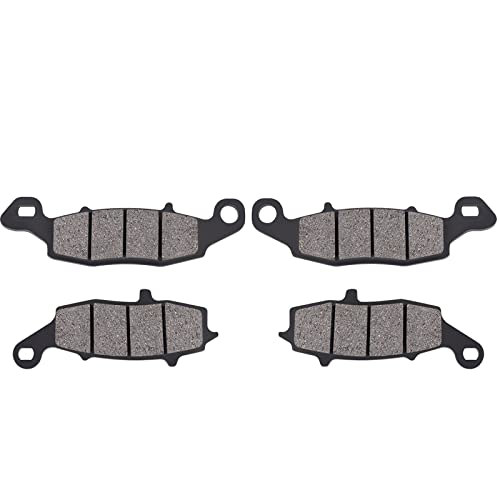
- Brake Pads Size:A 133.5 x 37 x 8.5mm&B 110 x 44.5 x 8.5mm,A 133.5 x 37 x 8.5mm&B 109.5 x 37 x…
- Compatible with KAWASAKI VN 1500 Drifter 1999-2005/VN 1500 G Classic Tourer 1998-1999/VN 1500 Nomad…
- Compatible with KAWASAKI Z 750 S ZR 750 K 2005-2007/Z 750 ZR 750 J 2004-2006/ZR 1100 B1 Zephyr…
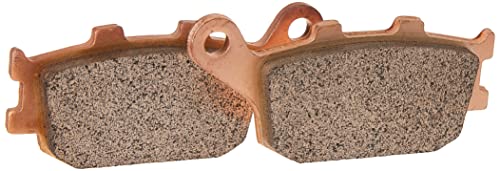
- All shoes are radius ground and edge trimmed
- Package Dimensions: 15.748 H x 1.016 L x 12.192 W (centimetres)
- Package Weight: 0.227 kilograms

Key Takeaways
- Sintered brake pads offer superior stopping power and heat resistance compared to semi-metallic pads.
- Semi-metallic pads warm up faster and provide smoother modulation with less rotor wear.
- Sintered pads excel in wet, muddy, and extreme conditions due to their dense metallic composition.
- Semi-metallic pads are gentler on rotors but wear out faster under heavy use.
- Choose sintered for heavy off-road or downhill riding; semi-metallic suits moderate, varied terrain and maintenance ease.
Semi-Metallic or Sintered Brake Pads: Performance Comparison
| Feature | Semi-Metallic Brake Pads | Sintered Brake Pads |
|---|---|---|
| Material Composition | Organic resin with metal particles | Fused metallic particles |
| Stopping Power | Strong | Superior |
| Heat Resistance | Moderate | Excellent |
| Warm-Up Time | Faster | Slower |
| High-Temperature Performance | Good | Excellent |
| Wet & Muddy Conditions | Good | Excellent |
| Cold-Weather Performance | Good | Good |
| Wear Rate | Faster | Slower |
| Pad Lifespan | Shorter | Longer |
| Rotor Wear | Lower | Higher |
| Noise Level | Quieter | Generally noisier |
| Modulation | Smoother | More aggressive |
| Maintenance | Easier | Requires compatible rotors |
| Heavy Downhill Riding | Good | Excellent |
| All-Mountain/Trail Riding | Excellent | Good |
| Cost | Generally lower | Generally higher |
| Main Advantage | Smooth modulation, quieter operation, and less rotor wear | Maximum stopping power, heat resistance, and durability |
| Main Drawback | Faster wear and lower heat tolerance | Greater rotor wear and potentially more noise |
Semi-Metallic vs. Sintered Brake Pad Manufacturing

Understanding the manufacturing differences between semi-metallic and sintered brake pads helps you choose the right option for your riding needs.
Semi-metallic pads combine an organic resin base with dispersed metal particles, creating a hybrid composite. This mixture varies by brand, as metal-to-organic ratios lack standardization, influencing durability and friction characteristics.
In contrast, sintered pads undergo a high-temperature, high-pressure fusing process, bonding metallic particles like copper or bronze into a dense, hard structure. This sintering yields a more homogeneous and robust material, enhancing wear resistance.
While semi-metallic pads strike a balance between organic compliance and metallic strength, sintered pads prioritize density and hardness through metallurgical consolidation.
Your choice hinges on understanding these material structures, as they fundamentally affect pad behavior and longevity under different operating conditions.
Additionally, factors like compound material and heat dissipation play crucial roles in brake pad performance, especially for specialized applications such as carbon rims.
Braking Performance and Heat Resistance Compared
The distinct material structures of semi-metallic and sintered brake pads directly influence their braking performance and heat resistance.
Sintered pads, composed of fused metallic particles, deliver superior stopping power and maintain consistent performance under extreme heat and heavy braking loads. Their density and hardness allow them to resist thermal degradation better, making them ideal for sustained high-temperature conditions.
Semi-metallic pads, combining organic bases with metal particles, offer strong braking with quicker warm-up times but exhibit lower peak power and heat tolerance. You’ll notice semi-metallic pads handle moderate temperatures efficiently but can fade sooner under prolonged stress compared to sintered pads.
If you require maximum thermal stability and stopping force, sintered pads outperform. For balanced performance with moderate heat resistance, semi-metallic pads provide a practical compromise. Many semi-metallic pads also incorporate copper fiber to enhance heat dissipation and wear resistance for improved durability.
Weather and Riding Conditions Impact on Brake Pads
Because brake pads operate under varying environmental conditions, their material properties directly influence performance in weather and riding scenarios.
You’ll find sintered pads excel in wet, muddy, and snowy environments due to their dense, fused metallic composition. This composition sustains friction and braking power despite moisture.
Semi-metallic pads perform reliably in cold and moderate temperatures, warming up faster for consistent stopping. However, they may show slightly reduced effectiveness in extreme wet conditions compared to sintered pads.
When riding in mixed or unpredictable weather, semi-metallic pads offer balanced performance, maintaining traction and modulation across dry and damp surfaces.
However, if you frequently encounter harsh, wet, or heavy-load scenarios, sintered pads provide superior durability and braking consistency. This minimizes performance loss caused by adverse weather.
Consequently, choosing between these pads depends on your typical riding climate and terrain challenges.
Additionally, brake pad materials must be matched to the vehicle’s braking system, as hydraulic brakes use semi-metallic or ceramic pads while air brakes demand pads designed for higher thermal and mechanical loads.
Wear, Rotor Effects, and Lifespan of Semi-Metallic and Sintered Pads
While both semi-metallic and sintered brake pads offer durability, you’ll notice sintered pads generally outlast their semi-metallic counterparts due to their dense, fused metallic composition. This higher density slows wear rates markedly, extending pad lifespan under heavy use.
However, that durability comes at a cost: sintered pads accelerate rotor wear more than semi-metallic pads, which are formulated with organic materials that are gentler on rotors. Semi-metallic pads wear faster but preserve rotor integrity better, making them suitable if you want to minimize rotor replacement frequency.
Sintered pads require rotors designed to withstand higher friction and heat, or you risk increased rotor degradation. Ultimately, you’ll balance longer pad life with potential rotor wear when choosing between these compounds.
For heavy-duty riding, sintered pads combined with MT600 sintered metal pads provide increased stopping force and longevity.
Choosing the Right Semi-Metallic or Sintered Brake Pad for Your Riding Style
Balancing pad longevity against rotor wear directly influences which brake pad suits your riding style. If you prioritize high durability and consistent performance in demanding conditions, sintered pads excel but wear your rotors faster. For balanced all-mountain or trail riding, semi-metallic pads offer solid braking with less rotor wear and quieter operation.
Consider these key factors to decide:
- Riding Conditions: Heavy downhill or off-road favors sintered for heat and wet-weather resilience. Semi-metallic suits moderate, varied terrain.
- Performance vs. Maintenance: Sintered pads provide maximum stopping power but require rotor-compatible materials. Semi-metallic pads reduce maintenance needs.
- Noise and Modulation: Semi-metallic pads deliver smoother lever feel and lower noise. Sintered pads can be grabby and noisier.
Select based on your typical terrain, riding intensity, and tolerance for rotor wear to optimize brake efficiency and lifespan. Proper brake maintenance, including bleeding procedures, is essential to maintain consistent braking performance and safety.
Frequently Asked Questions
How Do Semi-Metallic and Sintered Pads Differ in Noise Levels During Braking?
You’ll notice semi-metallic pads run quieter during braking compared to sintered pads.
Semi-metallic compounds produce less noise because their organic-metal mix absorbs vibrations better.
In contrast, sintered pads often generate more noise, especially in wet conditions, due to their dense metallic makeup causing aggressive pad-rotor interaction.
If minimizing brake noise matters to you, semi-metallic pads offer a quieter ride, while sintered pads prioritize durability and power over sound levels.
Are There Specific Brands Known for Better Semi-Metallic or Sintered Pad Quality?
You’ll find brands like Shimano and SRAM excel in both semi-metallic and sintered brake pads, offering reliable, performance-tuned options.
Kool Stop specializes in semi-metallic pads known for quieter operation and balanced wear.
For sintered pads, brands such as Jagwire and SwissStop stand out, providing durable, high-heat resistant compounds favored in aggressive riding.
Choosing a brand depends on your riding style and desired balance between noise, longevity, and braking power.
Can Semi-Metallic or Sintered Pads Cause Damage to Specific Rotor Materials?
Yes, you should know sintered pads tend to cause more rotor wear, especially on softer rotor materials like aluminum or less durable composites.
Semi-metallic pads are generally easier on rotors, making them better if your rotors aren’t designed for high friction.
If you use sintered pads, pair them with rotors built to handle increased heat and abrasion to avoid premature damage.
Always match pad type to rotor material for peak longevity.
How Do Brake Pad Prices Typically Compare Between Semi-Metallic and Sintered Types?
Think of brake pads as tools in your workshop: semi-metallic pads are like versatile wrenches—affordable, reliable, and good for everyday tasks.
Sintered pads, however, resemble specialized torque tools, more costly but built for heavy-duty jobs.
You’ll typically find semi-metallic pads priced lower than sintered ones due to simpler manufacturing and materials.
While costs vary by brand and compound, sintered pads generally demand a premium for their enhanced durability and performance.
What Maintenance Steps Help Prevent Glazing in Semi-Metallic Brake Pads?
To prevent glazing in semi-metallic brake pads, you should regularly clean the pads and rotors to remove brake dust and resin buildup.
Avoid prolonged, heavy braking that overheats the pads.
Periodically bed in new pads by applying gradual braking to transfer an even layer of pad material onto the rotor.
Inspect pads for glazing signs and lightly sand the surface if glazing occurs. This restores peak friction and prevents performance loss.
- Brake Pads Size:A 133.5 x 37 x 8.5mm&B 110 x 44.5 x 8.5mm,A 133.5 x 37 x 8.5mm&B 109.5 x 37 x…
- Compatible with KAWASAKI VN 1500 Drifter 1999-2005/VN 1500 G Classic Tourer 1998-1999/VN 1500 Nomad…
- Compatible with KAWASAKI Z 750 S ZR 750 K 2005-2007/Z 750 ZR 750 J 2004-2006/ZR 1100 B1 Zephyr…
- All shoes are radius ground and edge trimmed
- Package Dimensions: 15.748 H x 1.016 L x 12.192 W (centimetres)
- Package Weight: 0.227 kilograms
Semi-Metallic or Sintered Brake Pads? Find the Best Option
Choosing between semi-metallic and sintered brake pads is like selecting the right tool for a complex job. You need precision and reliability.
Semi-metallic pads offer balanced performance and moderate heat resistance, ideal for varied conditions.
Sintered pads excel in high-heat environments with superior durability but may wear rotors faster.
Assess your riding style, weather, and braking demands carefully to optimize safety and pad lifespan effectively.
Your decision should be as calculated as your ride.
Last update on 2026-10-27 / Affiliate links / Images from Amazon Product Advertising API