
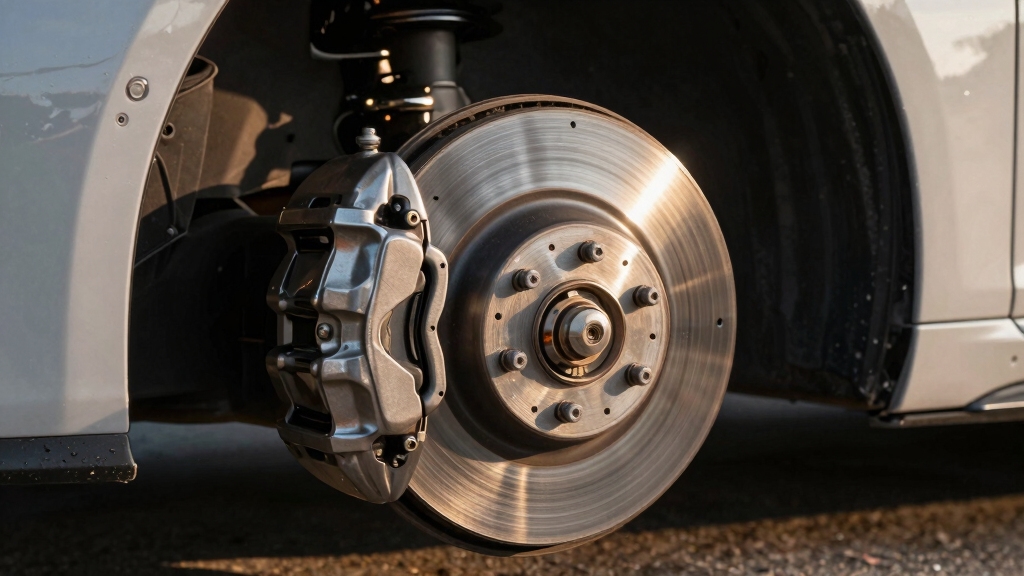
You rely more on your front brakes because they handle 60–70% of stopping power, managing the increased load from forward weight transfer during braking.
Front brakes provide essential kinetic energy absorption and rapid deceleration, while rear brakes mainly stabilize your vehicle, preventing fishtailing and oversteer.
Rear brakes operate under less stress and wear slower.
Understanding this balance and the role of electronic brakeforce distribution can help you optimize safety and brake effectiveness.
Key Takeaways
- Front brakes provide 60–70% of stopping power due to increased load from forward weight transfer during braking.
- Rear brakes contribute 30–40% of braking force and primarily ensure vehicle stability and control.
- Front brakes absorb most kinetic energy and are critical for rapid deceleration and shorter stopping distances.
- Rear brakes engage slightly later to prevent rear wheel lockup and maintain balanced, predictable braking.
- Failure or wear of front brakes drastically reduces stopping ability, making them more crucial than rear brakes.
Why Front Brakes Provide Most of the Stopping Power?
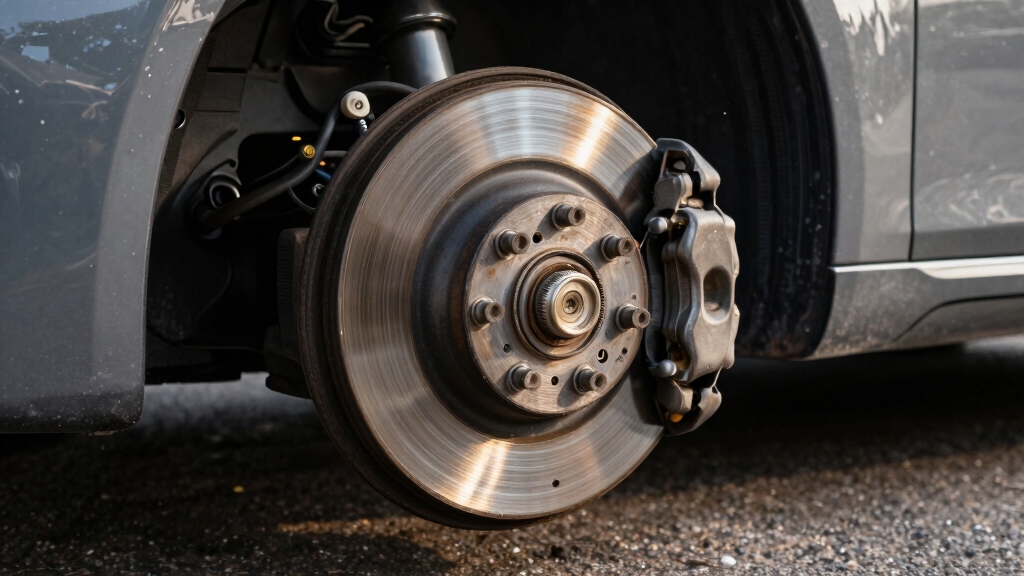
When you apply the brakes, the vehicle’s weight shifts forward, increasing pressure on the front wheels and enabling the front brakes to handle 60-70% of the stopping force.
This forward weight transfer raises the load on the front tires, enhancing their grip and allowing the front brakes to generate greater friction without locking up.
Front brakes are engineered larger and thicker, with rotors and pads capable of dissipating heat up to 500°F, ensuring consistent performance during intense deceleration.
They absorb the majority of kinetic energy, providing rapid slowing in emergencies.
If front brakes fail, the vehicle loses significant stopping power, underscoring their critical role.
Their design and function align precisely with the physics of weight transfer and motion inertia during braking.
Regular maintenance, such as bleeding motorcycle dual front brakes, ensures these brakes perform optimally and safely.
How Rear Brakes Keep Your Car Stable and Prevent Skids?
When you think about braking, it’s easy to focus on the front brakes since they do most of the heavy lifting. But did you know that rear brakes play a crucial role too? In fact, they contribute about 30-40% of the braking force. This isn’t just a small detail; it’s essential for keeping your vehicle stable when you hit the brakes.
So, how do rear brakes help with stability? Well, they engage a bit later than the front brakes, which helps to balance out the braking force. This coordination is super important because it keeps the rear end of your car from lifting or skidding.
If everything is working together smoothly, you can avoid that dreaded oversteer situation, which can be a real handful to manage.
In short, having well-functioning rear brakes is key to ensuring you can stop your car in a controlled and predictable way. It’s all about that balance, and when your brakes work together, you can drive with confidence!
Additionally, proper brake function helps to improve braking performance, enabling quicker and more controlled stops that enhance overall vehicle safety.
Rear Brakes Stability Role
Rear brakes play a critical role in maintaining vehicle stability during braking by contributing 30-40% of the total braking force. They counteract rear-end lift and help balance the vehicle’s weight distribution as you decelerate.
By engaging slightly after the front brakes, the rear brakes prevent sudden rear wheel lockup. This reduces the risk of fishtailing or spinouts. This staged engagement supports brake force balance and complements stability control systems to maintain directional control.
Without sufficient rear brake input, the rear wheels may lose traction prematurely, compromising stability. While front brakes provide most stopping power, your rear brakes guarantee the car remains controlled and stable, especially during abrupt or uneven braking maneuvers.
Proper rear brake function is essential to avoid loss of control during deceleration. Regular maintenance, including bleeding brakes when air enters the hydraulic system, ensures rear brakes operate reliably and maintain vehicle stability.
Skid Prevention Mechanism
Although front brakes deliver the majority of stopping power, the rear brakes play an essential role in preventing skids by modulating braking force to maintain traction.
When you brake, weight shifts forward, reducing pressure on rear tires and increasing their tendency to lock. Rear brakes engage slightly after the front to stabilize the vehicle, preventing the rear end from sliding or fishtailing.
If the rear brakes lock prematurely, you risk losing control and spinning out. By carefully applying braking force, the rear brakes keep your car balanced and aligned during deceleration.
This modulation preserves rear tire grip, critical for directional stability, especially on slippery surfaces. Therefore, rear brakes act as a skid prevention mechanism by ensuring the rear wheels rotate without locking, maintaining overall vehicle control.
Proper maintenance and regular inspection of braking components are crucial for optimizing this skid prevention mechanism and ensuring vehicle safety.
Brake Force Distribution
Maintaining vehicle stability during braking relies heavily on an effective brake force distribution system.
While front brakes handle most stopping power due to forward weight transfer, rear brakes provide critical stability and prevent skids by applying 30-40% of braking force.
They engage slightly after the front brakes to maintain balance, preventing rear wheel lockup that could cause spins.
Electronic Brakeforce Distribution (EBD) dynamically adjusts this balance based on load and road conditions, enhancing control.
Hydraulic brake systems, often featuring pre-bled mineral oil lines, improve braking modulation and response, contributing to safer and more consistent braking performance.
| Brake Component | Primary Function |
|---|---|
| Front Brakes | Maximum stopping power |
| Rear Brakes | Stability and skid control |
| EBD | Dynamic force adjustment |
You rely on this coordinated system to keep your car stable and responsive during deceleration, preventing dangerous oversteer or fishtailing.
How Weight Transfer Affects Front and Rear Brake Performance?
When you hit the brakes, something interesting happens: the weight of the vehicle shifts forward. This shift puts more load on the front wheels, which means they’ve better grip on the road.
So, what does that mean for braking? Well, the front brakes end up handling a larger portion of the stopping power. Meanwhile, the rear brakes experience a decrease in load and, consequently, their braking contribution isn’t as strong.
Getting a grip on this load transfer is super important if you want to optimize your brake balance and keep your vehicle stable. It’s all about understanding how that weight shift affects performance, right? Additionally, choosing the correct brake fluid like DOT 4 can improve braking performance and stability under heat and stress.
Weight Transfer Dynamics
Because braking forces cause a forward weight transfer known as brake dive, the front brakes handle greatly increased load and friction compared to the rear. This dynamic shifts the vehicle’s mass forward, intensifying front tire grip and braking efficiency while reducing rear wheel load.
You should understand these critical effects:
Front brakes absorb most deceleration energy due to increased vertical force, demanding robust design and heat dissipation. Rear brakes experience diminished traction and contribute primarily to vehicle stability, preventing skids and oversteer.
Electronic Brakeforce Distribution systems dynamically adjust braking pressure to compensate for weight transfer, maintaining balanced control.
Using front brake chocks can help stabilize motorcycles during maintenance, ensuring safety while working on brake systems.
Front Rear Brake Load
Understanding how weight transfer influences brake load distribution helps clarify why front and rear brakes perform differently under deceleration.
When you brake, inertia shifts weight forward, increasing load on the front wheels and decreasing it on the rear. This shift amplifies the front brake’s grip and stopping power while reducing the rear’s contribution to braking force.
| Aspect | Front Brakes | Rear Brakes |
|---|---|---|
| Load During Braking | Increased (60-70%) | Decreased (30-40%) |
| Role | Primary stopping power | Stability and control |
| Brake Design | Larger, heat resistant | Smaller, less heat |
You rely on the front brakes for rapid deceleration, while rear brakes stabilize and prevent skidding by compensating for reduced load. Proper maintenance of clutch adjustment and related systems ensures smooth and effective braking performance.
Key Design Differences Between Front and Rear Brakes
Although front and rear brakes work together to stop your vehicle, their designs differ markedly to address distinct functional demands.
Front brakes handle most of the braking force and must dissipate intense heat. Manufacturers equip them with larger, thicker disc brakes.
Rear brakes, by contrast, focus on stability and often use drum brakes in older or budget models. However, modern cars increasingly adopt rear disc brakes for better performance.
Front brake components, such as rotors, calipers, and pads, are larger and built for higher temperatures, up to 500°F.
Rear brakes are designed for lower heat loads and incorporate mechanisms for parking brake functions.
The timing and force application differ. Front brakes engage first and bear more load, while rear brakes activate slightly later to maintain vehicle balance.
Understanding these design differences clarifies their complementary braking roles.
For enhanced safety and stability during maintenance or transport, using wheel chocks can help secure your motorcycle effectively.
Why Front Brakes Wear Out Faster Than Rear Brakes?
When you hit the brakes, a lot of the weight shifts to the front wheels. Because of this, the front brakes have to deal with most of the stopping power. This extra workload means there’s more friction and heat generated, which leads to quicker wear on the front brake components.
On the flip side, the rear brakes don’t face as much stress. They operate at lower temperatures, which is why they tend to last longer compared to the front ones. So, it’s pretty normal to see front brakes wearing out faster than the rears. Regular maintenance and lubrication of brake parts can help prolong their lifespan and ensure safer riding.
Weight Transfer Impact
When you brake, the vehicle’s weight shifts forward, substantially increasing the load on the front wheels. This weight transfer, known as brake dive, intensifies the pressure on the front brakes, causing them to absorb more kinetic energy and wear faster than the rear brakes. The rear wheels experience reduced load, limiting their braking force contribution.
Key impacts of weight transfer include:
- Elevated friction at the front tires enhances grip but accelerates brake pad wear.
- Increased mechanical stress on front rotors and calipers occurs due to higher braking torque demands.
- Reduced rear brake engagement primarily supports vehicle stability rather than primary stopping power.
Understanding this dynamic clarifies why front brakes endure greater stress, requiring more frequent maintenance and robust design compared to rear brakes.
Heat Generation Differences
The increased load on the front brakes during weight transfer leads to substantially higher heat generation compared to the rear brakes. As you brake, the front brakes absorb more kinetic energy, converting it to heat, which accelerates wear.
Their larger size and robust design help dissipate heat but can’t fully offset the thermal stress. Conversely, rear brakes operate under less load, generating less heat, resulting in slower wear. Understanding this thermal disparity clarifies why front pads need more frequent replacement.
| Aspect | Front Brakes |
|---|---|
| Heat Generation | High due to 60-70% braking force |
| Design | Larger, thicker, superior dissipation |
| Operating Temp | Up to 500°F |
| Wear Rate | Faster |
| Function | Primary stopping power |
| Aspect | Rear Brakes |
| Heat Generation | Lower, 30-40% braking force |
| Design | Smaller, often drum type |
| Operating Temp | Lower temperatures |
| Wear Rate | Slower |
| Function | Stability and skid prevention |
How Front Brakes Prevent Emergency Stop Failures?
Front brakes step up to deliver the bulk of stopping power, especially during emergency stops where rapid deceleration is critical.
Front brakes take the lead in delivering crucial stopping power during emergency braking situations.
When you slam the brakes, weight shifts forward, increasing pressure on the front wheels and boosting their grip. This shift lets the front brakes absorb most of the vehicle’s kinetic energy, preventing failure in critical moments.
Here’s how front brakes prevent emergency stop failures:
They handle 60-70% of braking force, designed with larger rotors and calipers to dissipate heat up to 500°F without fading. Their superior grip from increased load prevents skidding or loss of control under heavy braking.
Front brake failure results in a dramatic drop in stopping ability, highlighting their essential role in safe emergency deceleration.
Relying on front brakes guarantees you stop effectively when it matters most.
Why Balanced Brake Performance Is Crucial for Vehicle Control?
Although front brakes provide the majority of stopping power, you can’t rely solely on them without compromising vehicle control.
Balanced brake performance guarantees optimal distribution of force, preventing wheel lockup and maintaining traction.
When front brakes dominate excessively, you risk understeer and loss of steering control.
Conversely, insufficient rear brake contribution can cause instability during deceleration.
Electronic Brakeforce Distribution systems modulate pressure to maintain equilibrium across all wheels, enhancing safety.
| Brake Aspect | Impact on Vehicle Control |
|---|---|
| Front Brake Force | Primary deceleration, higher grip |
| Rear Brake Force | Stability, skid prevention |
| Balance | Prevents lockup, maintains steering |
You must maintain brake balance to maximize stopping efficiency and vehicle stability simultaneously.
How Rear Brakes Help Avoid Oversteer and Maintain Stability?
Since rear brakes engage slightly after the front, they play a crucial role in maintaining vehicle stability by preventing oversteer during deceleration.
Rear brakes activate just after the front to help maintain stability and prevent oversteer when slowing down.
When you brake, the vehicle’s weight shifts forward, reducing rear wheel traction. Rear brakes apply controlled force to counteract this shift, stabilizing the rear end and preventing it from sliding out.
Here’s how rear brakes help you maintain control:
- Modulate rear wheel braking force to avoid lockup and maintain grip.
- Provide counterbalance to front brake-induced weight transfer, reducing fishtailing risk.
- Support smooth deceleration by stabilizing rear chassis dynamics.
When Electronic Systems Balance Front and Rear Brakes?
Modern vehicles frequently rely on electronic systems to dynamically balance braking force between the front and rear wheels, optimizing performance and stability.
Electronic Brakeforce Distribution (EBD) monitors real-time factors like vehicle speed, load, and road conditions to modulate brake pressure precisely.
By adjusting front and rear braking forces, EBD compensates for weight transfer during deceleration, preventing wheel lockup and maintaining traction.
This system enhances safety by reducing understeer or oversteer risks, especially in emergency stops or slippery conditions.
You benefit from improved control, as the system guarantees front brakes don’t overload while rear brakes contribute enough to maintain balance.
Ultimately, these electronic controls optimize your vehicle’s braking efficiency, integrating mechanical brake design with dynamic feedback to sustain stability and shorten stopping distances.
How Proper Brake Maintenance Ensures Safety and Longevity?
Electronic systems like EBD optimize brake force distribution, but they rely on well-maintained components to function effectively.
To guarantee safety and longevity, you must regularly inspect and service both front and rear brakes. Neglect can degrade system performance and compromise vehicle stability.
Proper maintenance includes:
- Monitoring pad thickness and rotor condition, especially front brakes that endure higher stress and heat.
- Checking for uneven wear or damage, since replacing only front or rear components can unbalance braking forces.
- Flushing brake fluid periodically to prevent moisture buildup that reduces hydraulic efficiency and corrodes parts.
Frequently Asked Questions
Can Brake Fluid Type Affect Front and Rear Brake Performance Differently?
Yes, brake fluid type can affect front and rear brake performance differently.
Since front brakes handle higher temperatures and stress, using a fluid with a higher boiling point improves front brake reliability under heat.
Rear brakes operate at lower temperatures, so fluid properties impact them less critically.
However, inconsistent fluid quality can cause uneven pressure modulation, affecting the balance and stability between front and rear braking systems.
This could potentially compromise overall braking efficiency.
How Do Brake Noises Indicate Issues in Front Versus Rear Brakes?
If your brakes sound like a rock concert, it’s a clear sign something’s wrong.
Front brake noises, like squealing or grinding, often indicate worn pads or overheating.
This is because they handle most stopping power and heat.
Rear brake noises, such as chirping or clicking, usually suggest drum brake issues or uneven wear, which can affect stability.
Pay attention: front sounds warn of urgent pad wear, while rear noises hint at balance or parking brake problems.
Are There Differences in Brake Pad Materials for Front and Rear Brakes?
Yes, front and rear brake pads often differ in material composition due to their distinct roles.
Front pads need higher friction and heat resistance to manage 60-70% of braking force and elevated temperatures up to 500°F.
They use advanced semi-metallic or ceramic compounds.
Rear pads experience less heat and force, allowing for organic or less aggressive materials, optimizing wear life and stability.
Using correct pad materials guarantees balanced performance and safety.
How Does Driving Style Impact the Lifespan of Front and Rear Brakes?
Your driving style directly affects front and rear brake lifespan.
Aggressive braking, especially from high speeds, stresses front brakes more due to increased weight transfer and heat buildup, causing faster wear.
Frequent hard stops reduce front pad life markedly.
Gentle braking and gradual deceleration ease front brake load, extending their life.
Rear brakes wear slower but can degrade quicker if you rely on them for stability in cornering or emergency maneuvers.
What Role Do ABS Sensors Play in Front and Rear Brake Systems?
ABS sensors act like vigilant sentinels, constantly monitoring wheel speed on both front and rear brakes.
They detect when a wheel’s about to lock up during hard braking and send signals to the ABS control module.
This triggers modulation of brake pressure, preventing skidding and maintaining traction.
The Final Takeaway: Brakes Are a Safety System, Not a Part
You can’t afford to ignore either set of brakes, front or rear, because your car’s safety literally depends on their perfect teamwork.
Front brakes deliver the lion’s share of stopping power. But without rear brakes maintaining stability and preventing skids, you’d be sliding off the road like a hockey puck.
Understanding weight transfer, brake design, and balanced wear isn’t just smart—it’s a lifesaver. Keep both in top shape, or risk turning your drive into a high-speed disaster.