
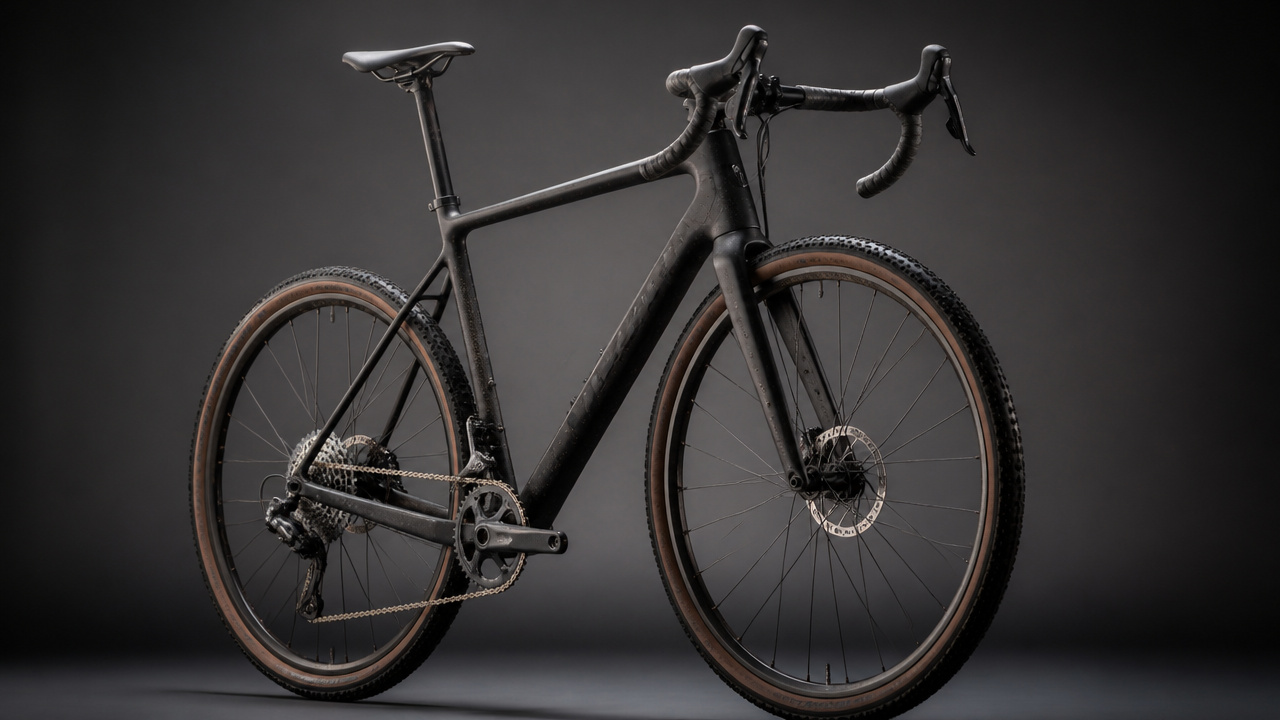
Rocky paths and sudden potholes jar your ride. Your bike feels heavy and sluggish on rough terrain. Every bump pulls you out of the zone.
The SAVADECK Carbon T800 Gravel cuts through chaos with its ultra-light T800 carbon frame. It shifts smoothly thanks to a 20-speed Shimano GRX400 drivetrain. Hydraulic disc brakes ensure confident control on slick trails.
The bike’s blend of agility and durability transforms brutal gravel into an effortless adventure.
| Image | Name | Editor's Rating | Price |
|---|---|---|---|
|
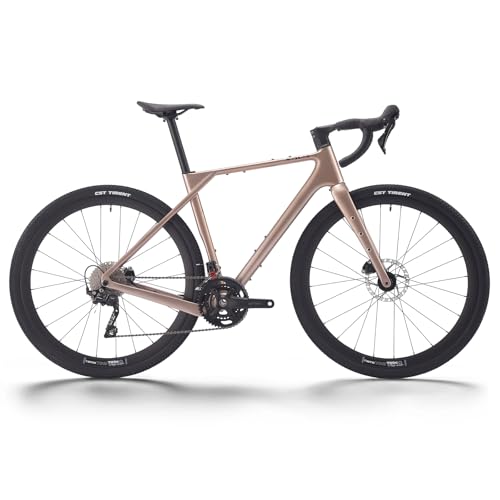
SAVADECK Carbon Gravel Bike - T800 Carbon Frame & Fork, Shim...
|
|
Discover the Best Salsa Gravel Bike for Every Adventure
Unleashing the perfect blend of lightweight design and rugged durability, these salsa gravel bikes redefine adventure-ready cycling for enthusiasts at every skill level.
1. SAVADECK Carbon Gravel Bike – Lightweight T800 Carbon with Shimano GRX400 for Rugged Versatility
- 【Ultra-Lightweight T800 Carbon Frame】Built with a T800 R21 carbon fiber frame and fork, this...
- 【Precision Shifting with Shimano GRX400 Groupset】Equipped with GRX400 shift levers, RX400 front...
- 【Powerful Hydraulic Disc Brakes & Sleek Internal Routing】Featuring Shimano RX400 hydraulic disc...
Not all gravel bikes are built equally, and the SAVADECK Carbon Gravel Bike challenges assumptions about what lightweight truly means on rough terrain. At just 10.4kg, this bike’s T800 carbon frame and fork deliver five times the strength of aluminum while keeping weight impressively low.
This balance of lightness and durability lets you tackle paved roads and unpaved trails with precise control. Its Shimano GRX400 20-speed groupset offers fluid shifts so you won’t lose momentum when terrain changes abruptly.
The SAVADECK’s hydraulic disc brakes stand out for delivering dependable stopping power no matter the weather or surface. Internal cable routing isn’t just about aesthetics—it reduces maintenance hassles by protecting components from dirt and damage, letting you focus more on riding and less on upkeep.
Wide 700x40c tires paired with sturdy 45-spoke rims absorb rough trail impacts, providing stability on loose gravel and dirt. Ergonomically designed with an upright frame and tapered head tube, this bike improves rider comfort and steering precision over long distances and challenging routes.
Overall, this gravel bike solves the puzzle of combining *lightweight performance and rugged reliability*, making it a versatile choice for both road enthusiasts and off-road adventurers seeking one dependable ride.
Best for: Cyclists seeking a durable yet lightweight gravel bike for mixed terrain riding and long-distance comfort.
What We Like:
- Ultra-light carbon frame offering strength without excess weight
- Smooth precision shifting with Shimano GRX400 components
- Powerful Shimano hydraulic disc brakes for reliable control
- Internal cable routing reduces maintenance and enhances durability
- Wide tires and stable rims provide excellent traction on varied surfaces
Specification:
| Specification | User Benefit |
|---|---|
| T800 Carbon Fiber Frame & Fork | Lightweight yet strong structure for efficient riding and durability |
| Shimano GRX400 20-Speed Groupset | Smooth, reliable gear changes for adaptable performance on mixed terrain |
| Hydraulic Disc Brakes | Consistent and powerful braking in varied conditions for safety |
| 700x40c Tires with 45-Spoke Aluminum Rims | Enhanced grip and shock absorption on rough and uneven surfaces |
| Internal Cable Routing | Protects cables from elements to reduce repair needs and maintain clean aesthetics |
| Upright Frame Geometry with Tapered Head Tube | Improves rider comfort and steering precision over long rides |
| 29-Inch Wheel Size | Balances nimble handling with stability on varied trail conditions |
Key Specs Compared: Top Salsa Gravel Bike Picks
| Model | Frame Material | Speeds | Brake Type | Tire Size |
|---|---|---|---|---|
| SAVADECK Carbon T800 Gravel | T800 Carbon Fiber | 20-Speed | Hydraulic Disc | 700C x 40mm |
What Makes a Salsa Gravel Bike the Right Pick for You?

Choosing the best salsa gravel bike requires balancing several key aspects that shape your riding experience. Each factor plays a critical role in handling diverse terrain, comfort, and performance on and off-road.
The right selection depends on understanding these aspects, so you don’t end up with a bike that feels out of place when gravel and rough paths demand versatility.
Frame Material and Construction
The frame is the backbone of any gravel bike, influencing weight, durability, and ride feel. For salsa gravel bikes, options range from aluminum to carbon, with each material making a significant difference. Carbon fiber frames offer a blend of lightness and vibration damping, while aluminum presents a robust, budget-friendly alternative.
Carbon frames like those built with T800 carbon fiber use layers of high-modulus fibers to deliver high stiffness-to-weight ratios. This translates into responsive handling without the fatigue-inducing jolt of rough surfaces. Many models integrate hydroforming or butting techniques to optimize strength at key stress points without adding excess weight.
Ignoring frame construction can lead to a heavier ride that absorbs less trail feedback, affecting control and causing rider fatigue. Lightweight frames with engineered compliance provide a smoother and more controlled experience, particularly during long rides over varied terrain.
Drivetrain and Gear Range
The drivetrain affects how efficiently you tackle elevations and what speeds you maintain on flats. Gravel bikes usually favor wide-range gearing to handle both steep climbs and faster stretches, with some bikes offering up to 20 speeds for ultra-fine cadence adjustment.
Shimano’s GRX groupset is common in salsa gravel bikes, designed specifically for off-road racing and adventure cycling. It includes features like optimized chainring sizes and clutch rear derailleurs to reduce chain drop over rough terrain. The gear ratio spread allows you to spin comfortably in technical climbs and hammer down on smoother segments.
Overlooking gear configuration can mean struggling uphill or spinning out on descents. A proper wide range drivetrain ensures you maintain energy, control your speed, and adapt instantly without disrupting your momentum or balance.
Braking System Type and Modulation
Fluid and reliable stopping power is non-negotiable on unpredictable gravel routes. Salsa gravel bikes typically use hydraulic disc brakes, prized for strong and consistent braking regardless of weather or trail conditions.
Hydraulic discs involve fluid-filled calipers that press pads against rotors attached to the wheel hub. This setup provides proportionate braking force with minimal lever effort, superior modulation, and effective heat dissipation during long descents. For instance, bikes equipped with these brakes deliver confidence-inducing control when cornering on loose gravel or sudden stops.
Choosing mechanical rim brakes or lower-quality stopping systems compromises safety and performance. Inconsistent braking could lead to loss of control or longer stopping distances, especially under wet or muddy conditions commonly found on gravel rides.
Tire Size and Volume
The tire size greatly influences traction, comfort, and terrain adaptability. Salsa gravel bikes generally fit 700C tires around 40mm wide, a versatile choice balancing speed and cushioning on varied surfaces from packed dirt to rocky trails.
Wider tires at lower pressures increase the contact patch, improving grip and shock absorption. This reduces vibrations transmitted through the frame, enhancing rider comfort and maintaining traction on uneven or loose surfaces. Additionally, the clearance on the frame allows for even larger tires if more cushion or aggressive tread is desired.
Ignoring tire volume and width limits the bike’s capability, resulting in harsher rides and increased risk of punctures or slipping on loose gravel. Selecting the correct tire size complements the frame and braking system to unlock the bike’s true off-road potential.
Comfort and Geometry for Gravel Terrain
Geometry defines how the bike handles and how your body feels after hours in the saddle. Gravel bike geometries prioritize a relaxed stance and stable handling to tackle rough roads and long distances effectively.
Salsa models often feature longer wheelbases, slacker head angles, and higher stack heights compared to road bikes, all shaping more stability at speed and confidence on loose surfaces. These measurements distribute rider weight more evenly between wheels, reducing fatigue and improving control over technical sections.
Ignoring the importance of geometry can result in a bike that feels twitchy on gravel or uncomfortable for extended rides. Comfort-oriented frame designs allow you to ride longer, maintain better bike control, and reduce soreness from repetitive trail vibrations.
Frequently Asked Questions
What makes a Salsa gravel bike stand out from other gravel bikes?
Salsa bikes focus on versatility and comfort, designed to tackle rough terrain and long rides without sacrificing speed. Their frames often feature thoughtful geometry to balance stability and agility for varied surfaces.
An example is their wide tire clearance and robust frame designs, which allow riders to fit larger tires or add racks for bikepacking, enhancing adventure options.
Look closely at frame materials and component specs; they greatly impact performance depending on your riding style.
Is carbon fiber better than aluminum in Salsa gravel bike frames?
Carbon fiber frames, such as those found in the SAVADECK Carbon model, provide a lighter ride and reduce trail vibrations. This results in better comfort and efficiency over rough terrain. The material’s strength-to-weight ratio stands out for serious riders prioritizing performance.
On the other hand, aluminum frames are known for their toughness and generally cost less. They handle impacts well, making them a great pick for beginners or those on a tighter budget.
Focus on your riding style and the typical terrain to pick the best frame material for your needs.
How important is the drivetrain speed on a Salsa gravel bike?
Drivetrain speed directly impacts your ability to handle varied terrain. A 20-speed drivetrain, such as Shimano GRX 400, offers the right balance for climbing and cruising. It allows you to tackle hills without straining and keep steady momentum on flatter sections.
More gears give you finer control over your cadence and effort. This flexibility helps maintain comfort and efficiency over long rides across gravel or mixed surfaces.
Try out different setups on shorter trips to find the combo that matches your riding style best.
Are hydraulic disc brakes necessary on gravel bikes like Salsa models?
Hydraulic disc brakes provide strong, reliable stopping power, especially useful on rough or wet gravel trails. They deliver smoother modulation compared to mechanical or rim brakes, making control easier in varied conditions.
Many Salsa gravel bikes come with hydraulic discs, improving safety on steep descents and challenging terrain. This upgrade enhances braking confidence when riding off-road.
Regularly check brake fluid and pads to maintain top performance and avoid sudden failures during rides.
What tire size is best for salsa gravel biking?
Salsa gravel bikes usually come equipped for tires around 700C x 40mm, offering a solid mix of speed and control on varied terrain. This size hits a good middle ground, making it versatile for most rides.
Bigger tires, like 45mm or more, provide extra comfort and grip over rough paths. Narrower tires suit those who prioritize faster rides on smoother roads. Salsa frames often have enough clearance for wider tires, which is a bonus.
Choose your tire size based on where you ride, but always double-check if your bike can fit wider options before switching.
Finding the Right Salsa Gravel Bike for Your Rides
Choosing the perfect salsa gravel bike can significantly elevate your cycling experience, balancing comfort and capability across varied terrains. Bikes with durable frames, adaptable gearing, and wide tire clearance allow you to explore confidently, transforming how you approach both road and off-road adventures. This shift lets you focus on performance without sacrificing reliability.
Casual riders who value ease and comfort may prefer aluminum frames with versatile components, while serious gravel enthusiasts often seek carbon builds featuring hydraulic disc brakes and optimized tire widths to maximize control and speed on rugged paths. Matching your bike to your riding style ensures the best fit for your needs.
Invest time in selecting the correct frame size and regularly maintaining brake systems and tire pressure to sustain peak performance. Remember, proper care and setup are essential to avoid issues like premature wear or handling difficulties, keeping your bike ready for every trail.
Last update on 2026-11-29 / Affiliate links / Images from Amazon Product Advertising API