
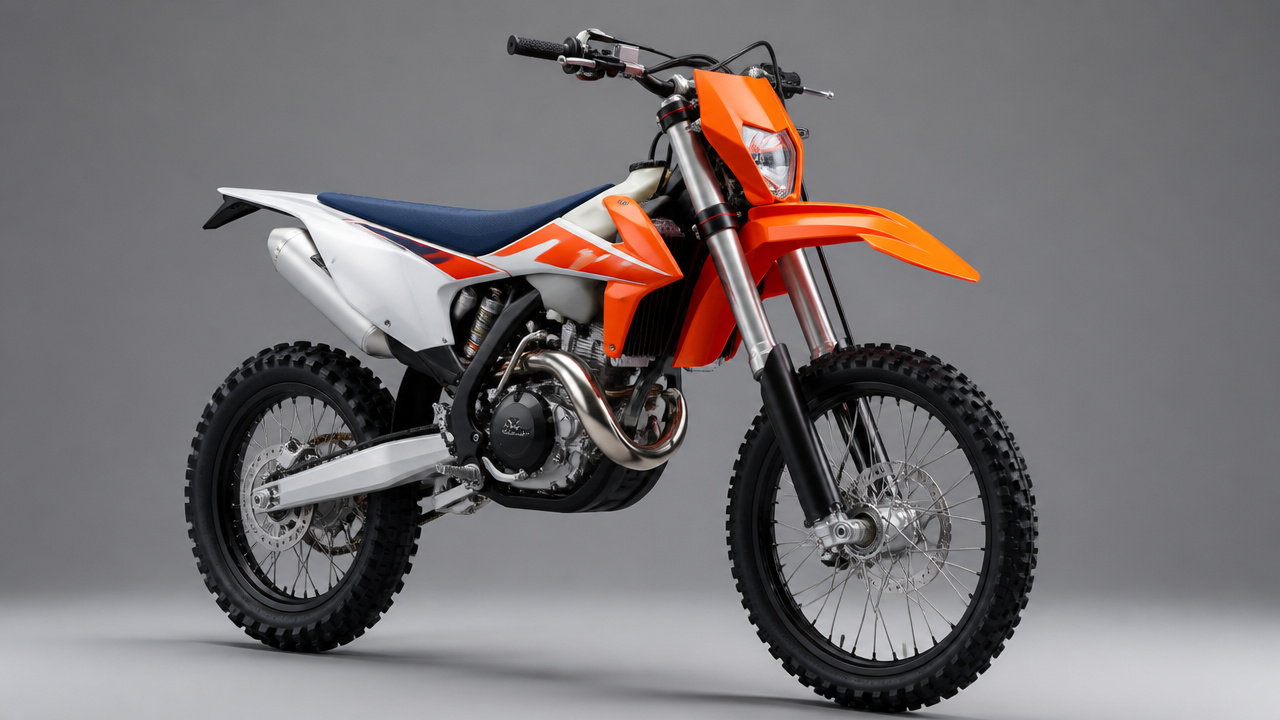
Your dirt bike feels like a tank on slim single tracks. It’s heavy, sluggish, and clumsy around tight bends. Every turn becomes a fight between you and the machine.
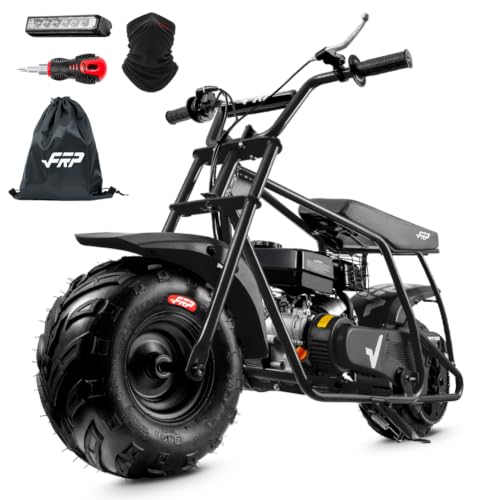
The FRP 99cc Mini Dirt Bike changes the game with a perfectly tuned 99 CC 4-stroke engine. It supports riders up to 220 lbs and navigates narrow trails effortlessly. Its compact 50″ x 26″ x 33″ frame and safety features keep you in control and confident.
This bike hits speeds up to 28 MPH, offering a thrilling yet manageable rush for all skill levels.
| Image | Name | Editor's Rating | Price |
|---|---|---|---|
|
FRP GMB100 Plus Gas Mini Bike 99cc 4-Stroke Off Road Headlig...
|
|
Discover the Ultimate Best Single Track Dirt Bike Options
Mastering single track trails requires a dirt bike that balances power, control, and durability. Explore models that elevate your riding experience with reliable performance and rugged design.
1. FRP 99cc Gas Powered Mini Dirt Bike with LED Headlight and Rear Disc Brake, Black
- INCLUDES HEADLIGHT and NECK GAITER: The FRP gas mini bike features a rechargeable LED headlight for...
- NO OIL MIXING NEEDED: The FRP 99 cc 4 stroke gas mini bike offers enhanced power No oil gas mixing...
- EASY START FEATURE: Starting your adventure with FRP mini bikes is a breeze Typically just three...
Racing through rugged trails demands reliable power and control. The FRP mini dirt bike delivers a clean 4-stroke engine that eliminates the hassle of oil mixing, simplifying maintenance and boosting consistent performance. Hit speeds up to 28 MPH while relying on a durable frame that supports riders up to 220 lbs.
It features a rechargeable LED headlight, improving visibility when you push your adventure deep into shadowed paths. Along with a neck gaiter included for protection, it’s designed for riders 13 and older to experience confident, safe trail riding.
Easy pull-start capability gets you on the move in just a few attempts, removing the frustration of complicated ignition systems. A thoughtfully engineered chain tensioning mechanism ensures smooth rides by keeping the drive chain securely in place, even on uneven terrain.
Stopping power comes from a responsive rear disc brake that holds well on dirt and gravel surfaces. The EPA-approved four-stroke engine paired with a compact 50 x 26 x 33 inch build balances maneuverability with stability. FRP’s attention to efficient fuel use and power delivery makes this model apt for extended trail explorations without frequent refueling breaks.
Best for: Youth and adult riders seeking a robust off-road mini bike that combines manageability with higher speed capability without complex upkeep.
Pros:
- Strong 99cc 4-stroke engine with no oil mixing needed
- Rechargeable LED headlight boosts trail visibility
- Easy pull-start system for quick ignition
- Effective chain tensioning prevents derailment on rough rides
- Rear disc brake provides reliable stopping power
Cons:
- Weight capacity may be limiting for heavier adult riders
Key Specs Compared: Top Single Track Dirt Bike Features
| Product Name | Engine Capacity | Max Speed | Weight Capacity | Dimensions (L×W×H) |
|---|---|---|---|---|
| FRP Mini Dirt Bike GMB100 | 99 CC 4 Stroke | Up to 28 MPH | Supports up to 220 lbs | 50″ x 26″ x 33″ |
Key Considerations to Find the Best Single Track Dirt Bike

Choosing the right single track dirt bike can make or break your trail riding experience. Each feature impacts performance and rider safety in ways that aren’t always obvious upfront.
Engine Capacity and Power Delivery
Engine capacity determines a bike’s power output, dictating how well it handles varied terrain and accelerates out of tight spots. On single track trails, bursts of power can help navigate steep inclines or obstacles efficiently.
Take the FRP Mini Dirt Bike’s 99 CC 4-stroke engine as an example. This capacity delivers a balance between manageable torque and weight, suited for riders needing responsive throttle without overwhelming power. A 4-stroke setup offers smoother power curves and better fuel efficiency compared to 2-strokes, which can be jumpier and harder to control.
Ignoring engine specs risks underpowered rides that struggle with climbs or overpowered machines that are tough to handle on narrow trails. Proper power delivery ensures you maintain control, energy conservation, and fun on long or technical routes.
Weight and Rider Load Capacity
Weight capacity refers to the maximum load the bike’s frame and suspension can safely support, including rider and gear. Overloading affects handling precision and suspension response, leading to potential mechanical failures.
The FRP Mini Dirt Bike supports up to 220 lbs, a respectable figure for mid-sized models intended for youth or lighter adults. A bike’s own weight plays a role here; lighter dirt bikes generally provide quicker handling and less rider fatigue. However, frames and components must be strong enough to handle rider weight plus trail conditions.
Riding on a bike overloaded beyond its capacity can cause suspension sag, degraded braking, and frame stress, increasing accident risks. Ensuring your bike’s weight limit fits your build and riding style keeps performance predictable and prolongs mechanical lifespan.
Bike Dimensions and Trail Maneuverability
Dimensions such as length, width, and height govern how well a dirt bike carves through narrow single track passages and handles uneven terrain. A compact footprint enhances tight cornering and obstacle clearance without sacrificing rider position.
The FRP model measures 50″ long, 26″ wide, and 33″ high, balancing agility with rider comfort. Width influences how easily you can sidestep roots and rocks, while height contributes to ground clearance, preventing bottoming out during jumps or drops. Tailoring dimensions relative to rider size ensures better handling and less strain.
Overlooking proper bike size can result in clumsy navigation through challenging trails, slower reaction times, and higher chances of catching vegetation or rocks. Right-sized dimensions optimize momentum preservation and stability on narrow paths.
Braking System Efficiency
Brakes provide critical control on single track trails where quick stops and slow-speed modulation are frequent. Reliable stopping power prevents accidents and enables safer negotiating of descents or sudden obstacles.
The FRP dirt bike uses a rear disc brake, favored for consistent performance in dirt and mud conditions compared to drum brakes. Disc brakes dissipate heat more effectively, reducing fade during prolonged braking. Mechanical or hydraulic actuation affects feel and maintenance needs, influencing overall control.
A subpar braking system can lead to slipping, longer stopping distances, and reduced confidence on technical sections. Ensuring robust brakes tailored for off-road conditions maintains safety and rider peace of mind during aggressive trail riding.
Lighting and Visibility Features
Lighting is often overlooked on single track bikes but becomes essential for dawn, dusk, or dense forest rides where natural light is limited. Visibility features enhance rider safety by improving trail sight and making the bike more noticeable to others.
The FRP Mini Dirt Bike includes an LED headlight, providing a bright, low-energy illumination suitable for dim conditions. LED technology ensures longer lifespan and resistance to vibrations common off-road. Effective front lighting reveals obstacles and trail edges, while reflective or rear lighting increases visibility to fellow riders.
Riding without adequate lighting reduces reaction time and heightens collision risks, especially on winding or shared trails. Investing in proper visibility equips riders to extend ride times safely and tackle unpredictable environments confidently.
Frame and Suspension Robustness
Frame and suspension form the bike’s backbone, absorbing shocks and maintaining stability over rugged terrain. Their strength and design geometry directly influence ride comfort, control, and durability on single tracks full of bumps, roots, and drops.
Quality frames typically use high-tensile steel or lightweight aluminum alloys optimized for impact resistance without excessive weight. Suspension setups with adjustable forks and shock absorbers customize damping rates, helping maintain tire contact and reduce rider fatigue. Lack of adjustability limits adaptability across varying trail conditions.
Ignoring frame and suspension quality sets the stage for poor handling, increased mechanical wear, and discomfort. A well-engineered chassis and shock system offer smoother rides, better traction, and longer lasting components despite aggressive trail challenges.
Tire Type and Traction Control
Tires are the sole contact point between the bike and trail. Their tread pattern, compound, and size define grip level, rolling resistance, and handling precision on dirt, mud, rocks, or roots.
A single track dirt bike’s tires often have aggressive knobby treads with spaced lugs to dig into soft soil without clogging. Proper tire pressure balance optimizes traction and shock absorption. Some riders favor softer compounds for better grip but at the cost of faster wear.
Ignoring tire characteristics can mean slipping corners, reduced confidence, and slower speeds. Matching tires to trail types and weather conditions enhances control, improves safety, and provides a smoother ride experience overall.
Frequently Asked Questions
What makes a dirt bike ideal for single track trails?
A dirt bike suited for single track trails must combine agility, lightweight design, and responsive engine performance to navigate narrow, technical paths effectively. These features allow riders to maintain control and maneuver through tight turns and varied terrain quickly.
Compact dimensions and moderate engine capacity often play a crucial role in this, such as a bike with a 99cc engine and a compact frame that supports easy handling without compromising power.
When selecting one, prioritize maneuverability over sheer speed to adapt smoothly to challenging trail conditions.
How important is engine size for a single track dirt bike?
Engine size directly influences power output and bike responsiveness, but bigger isn’t always better for single track. Bikes with engine sizes around 99cc to 125cc offer an excellent balance between manageable power and control for most riders.
For example, the FRP Mini Dirt Bike with a 99cc 4-stroke engine delivers sufficient speed (up to 28 MPH) without overwhelming less experienced riders on technical segments.
Look for an engine size that matches your skill level and trail difficulty to avoid losing control on tight or tricky single tracks.
What role does weight capacity play in single track dirt bikes?
Weight capacity determines the maximum rider size the bike can support safely. For single track use, bikes that accommodate up to 220 lbs ensure stability and durability under typical trail pressures. This limit is crucial for maintaining the bike’s performance and rider safety.
Weight distribution affects bike balance; a solid chassis supporting both rider weight and added gear maintains trail performance, especially on uneven terrain. Proper load management boosts control and prevents premature wear on components.
Avoid exceeding the bike’s stated weight limit to prevent frame stress and compromised handling during rides. Regularly check your gear and body weight combined for optimal safety.
Are features like headlights and disc brakes necessary for single track riding?
Additional features like LED headlights and rear disc brakes enhance safety and control but depend on riding conditions. Headlights extend usability into low-light situations, while disc brakes provide reliable stopping power on varied terrain.
The FRP Mini Dirt Bike includes an LED headlight and rear disc brake, which benefit riders navigating darker trails or requiring sharp braking response during technical riding.
Consider the riding environment: well-maintained, daylight trails may not need headlights, but disc brakes remain advisable for consistent stopping control.
What dimensions make a dirt bike suitable for narrow single track trails?
Compact bike dimensions facilitate easier navigation of tight and twisting single tracks. A bike sized around 50 inches long, 26 inches wide, and 33 inches tall strikes a practical balance between stability and trail-fit, which is essential for smooth riding.
The FRP Mini Dirt Bike’s smaller footprint allows riders to weave through obstacles without excessive body shift or collision risk, making it highly suitable for narrow trail sections.
Always measure trail widths beforehand and select a bike whose dimensions allow free movement without frequent scraping of the environment to protect both rider and nature.
Enhance Your Riding with the Perfect Dirt Bike Choice
Finding the ideal single track dirt bike transforms your trail adventures by delivering a precise balance of power and agility. Models like the FRP 99cc with a 99 CC 4-stroke engine and a top speed near 28 MPH empower riders to skillfully tackle technical terrain with increased confidence and safety.
Lightweight riders or beginners will benefit most from bikes featuring a compact frame around 50″ x 26″ x 33″ and a carrying capacity up to 220 lbs. Added safety features such as an LED headlight and rear disc brake are essential for navigating unpredictable trail conditions reliably.
Before hitting the trail, ensure regular checks of your bike’s disc brake responsiveness and oil levels to maintain optimal performance. Always wear appropriate protective gear and confirm your bike’s size fits you well to avoid discomfort or loss of control during rides.
Last update on 2026-10-27 / Affiliate links / Images from Amazon Product Advertising API