
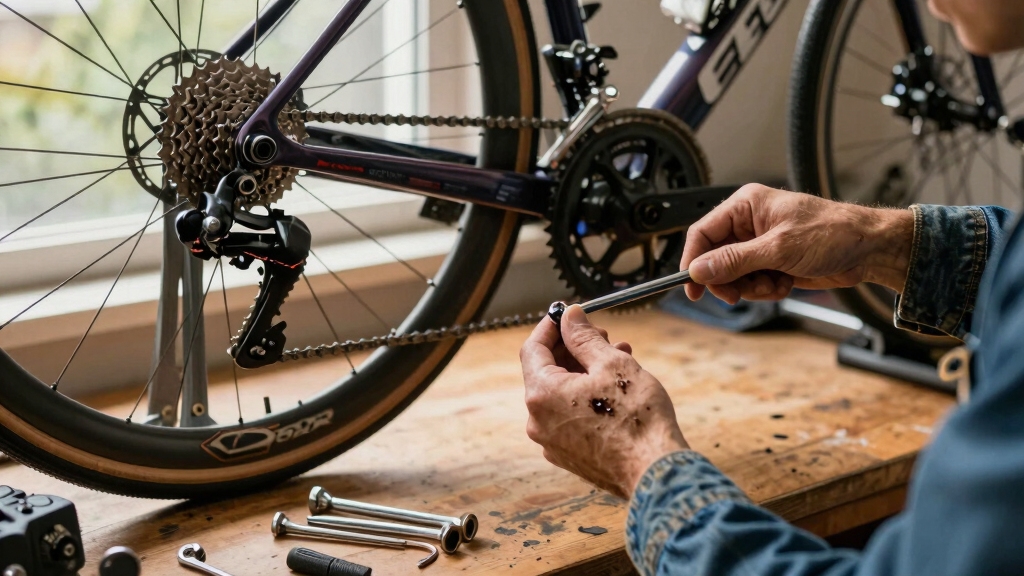
To become a bicycle mechanic, you’ll want to master essential skills like brake tuning, drivetrain maintenance, wheel building, and suspension setup.
Formal training programs and certifications from places like United Bicycle Institute boost your credibility and technical know-how.
Hands-on apprenticeships sharpen your troubleshooting and repair speed under expert guidance.
Flexible learning options, such as community co-ops or workshops, help build real-world experience.
Exploring these steps will prepare you for a successful, evolving career in bike mechanics.
Key Takeaways
- Gain foundational technical skills in brakes, drivetrains, wheel building, and suspension through hands-on practice and formal training.
- Enroll in certification programs like United Bicycle Institute or Park Tool School to validate expertise and improve job prospects.
- Obtain hands-on shop experience or apprenticeships under experienced mechanics to develop troubleshooting, repair, and customer service skills.
- Participate in volunteer work or community bike co-ops for practical experience and exposure to diverse bike systems.
- Continuously update skills with specialized courses and certifications to stay current with evolving bike technologies and industry standards.
What Essential Skills Do You Need to Start as a Bicycle Mechanic?

Before you plunge into formal training or shop experience, you’ll need to develop a solid foundation of essential skills that every bicycle mechanic relies on.
Start by mastering brake system adjustments. Cable tension, pad alignment, and tuning are critical for safety and performance.
You’ll also need a thorough grasp of drivetrain components, including derailleur setups, cranksets, and bottom brackets.
Wheel building demands precision in spoke tension and rim alignment, so practice truing wheels carefully.
Suspension systems require attention to fork and shock settings for smooth rides.
Finally, prepare yourself for emergency repairs by learning quick fixes and field solutions.
Understanding how to properly clean and maintain the bike cassette is also crucial to ensure optimal drivetrain performance and longevity.
How Formal Training and Apprenticeships Build Your Mechanic Skills?
You’ll pick up essential technical skills through structured courses that dive into everything from brake adjustments to suspension setup. It’s pretty cool how this formal training lays the groundwork for your knowledge.
Now, when you combine that with some hands-on shop experience, it really starts to click. You get to apply what you’ve learned to real repairs, all while having expert mentors guiding you. This blend of learning and practical advice really speeds up your skill growth.
In the end, it’s all about preparing you for the demands of being a professional bike mechanic. You’ll feel ready to tackle any challenge that comes your way! Understanding how to true a bike wheel without a stand is one practical skill that often comes up during training and on the job.
Structured Learning Benefits
While hands-on experience is invaluable, combining formal training with apprenticeships accelerates your growth as a bicycle mechanic. This approach provides structured knowledge alongside real-world practice.
Formal programs, like those at the United Bicycle Institute, deliver thorough instruction on brake systems, drivetrains, wheel building, and suspension setup. This foundation guarantees you grasp essential concepts and techniques systematically.
Meanwhile, apprenticeships immerse you in real repairs under mentorship, helping you apply classroom theory to diverse bike issues. This blend sharpens your diagnostic skills and builds confidence.
Additionally, formal certifications validate your expertise, enhancing your credibility with employers. By integrating both learning methods, you develop a well-rounded skill set that prepares you for the evolving demands of the industry efficiently and effectively.
To ensure optimal bike performance and rider comfort, understanding shock absorption systems is crucial when working on bike saddles and suspension components.
Hands-On Shop Experience
Combining formal education with hands-on shop experience lets you put theory into action, sharpening your skills through real-world challenges.
In a bike shop environment, you’ll engage directly with repairs, adjusting brakes, tuning drivetrains, building wheels, and diagnosing suspension issues. This practical exposure complements classroom knowledge, helping you master techniques under the guidance of seasoned mechanics.
Starting as a helper or sales associate, you gain familiarity with shop workflows and customer interactions, gradually taking on complex tasks. Apprenticeships typically span two years, providing sufficient time to build confidence and proficiency.
You’ll learn to troubleshoot unexpected problems and work efficiently within time constraints. This immersive, on-the-job training is essential to develop the hands-on competence and professional mindset required to thrive as a skilled bicycle mechanic.
Understanding the design and performance differences between mountain and road bikes is crucial for effective repairs and maintenance.
Mentorship and Skill Growth
As you progress through formal training and apprenticeships, mentorship plays a crucial role in honing your mechanical skills. Experienced mechanics guide you through complex procedures like brake adjustments, drivetrain tuning, and suspension setup, ensuring you grasp both theory and practical application.
Formal programs provide structured knowledge, but hands-on mentorship during apprenticeships exposes you to real-world challenges and efficient troubleshooting techniques. This direct guidance accelerates your learning curve, helping you develop precision and confidence.
You’ll also learn emergency repair strategies and industry best practices, which formal courses alone can’t fully replicate. Combining classroom instruction with shop-based mentorship builds an all-encompassing skill set, preparing you for certification exams and professional roles.
Embrace feedback and observe closely. Mentorship is key to mastering the nuances of bicycle mechanics and advancing your career. Understanding how to fix a broken bike brake handle is one of many practical skills you will develop through mentorship and hands-on experience.
What Core Technical Skills Should You Master as a Bicycle Mechanic?
Mastering core technical skills is essential for any bicycle mechanic aiming to provide reliable service and guarantee rider safety.
Master core technical skills to ensure dependable service and keep every rider safe on the road.
You need to become proficient in brake system adjustments, ensuring cables and hydraulic components function smoothly and safely.
Drivetrain expertise is vital; learn to service derailleurs, replace cranksets, and maintain bottom brackets.
Wheel building and truing demand a sharp eye for spoke tension and rim alignment, critical for ride quality and durability.
Suspension setup, including fork and rear shock maintenance, requires precision to optimize performance.
Finally, develop emergency repair strategies to address unexpected breakdowns efficiently, especially in field situations.
Focusing on these core competencies gives you a strong foundation to handle a wide range of repairs with confidence and professionalism.
Additionally, understanding the selection and maintenance of commuter tire types can enhance your ability to recommend optimal solutions for everyday riders.
Which Certifications Boost Your Bicycle Mechanic Credentials?
If you’re looking to boost your credentials as a bicycle mechanic, it’s a great idea to pursue some recognized certification programs. Programs from the United Bicycle Institute or the Professional Bicycle Mechanic Association are excellent choices. They really help validate your skills and show potential employers that you mean business.
Now, if you want to really stand out, think about specializing in certain areas, like wheel building or suspension tuning. These specialized credentials can open up new career opportunities for you, which is pretty exciting!
Plus, having these certifications isn’t just about proving your expertise; they also give your credibility a nice little boost. In the bike industry, that can really enhance your employability. So, it’s definitely worth considering!
Understanding the importance of maintenance for key components like Brooks Bicycle Saddles can further distinguish your skill set and add value to your service offerings.
Recognized Certification Programs
Certification programs play a crucial role in boosting your credentials as a bicycle mechanic. They validate your skills and knowledge to employers and clients alike.
These certifications demonstrate your proficiency and commitment to industry standards, making you a more competitive candidate.
Here are four recognized certification programs to contemplate:
- United Bicycle Institute (UBI) Certificate – Intensive hands-on courses covering essential mechanics.
- Park Tool School Certificate – All-encompassing training on bike repair fundamentals.
- Certified Bicycle Technician Program – Rigorous testing proving expertise in key areas.
- Professional Bicycle Mechanic Association Certification – Industry-recognized credential emphasizing safety and technology.
Pursuing these certifications strengthens your resume and assures employers you’re equipped with up-to-date technical knowledge and practical skills. Understanding the differences between fork mount and upright bike racks can also be valuable for mechanics advising customers on bike transport solutions.
Specialized Technical Credentials
Although basic certifications lay a solid foundation, pursuing specialized technical credentials can markedly enhance your expertise and marketability as a bicycle mechanic.
Certifications like DT Swiss Advanced Wheel Builder or Suspension Technician focus on high-demand skills such as precision wheel building and suspension setup.
These credentials demonstrate your ability to handle complex repairs and fine-tune performance components, setting you apart in a competitive field.
Specialized courses often include rigorous testing and hands-on assessments, ensuring you master critical tasks like brake system tuning, drivetrain service, and emergency repair strategies.
By targeting these advanced certifications, you’ll deepen your technical knowledge, stay current with evolving technologies, and prove your commitment to professional excellence.
All of this is essential for advancing your career and gaining trust from employers and customers alike.
Additionally, understanding the nuances of bicycle gear shifter types and their compatibility can significantly improve your diagnostic and repair skills.
Certification Benefits and Impact
When you earn recognized certifications, you not only prove your technical skills but also boost your credibility in the eyes of employers and customers.
Certifications validate your ability to perform precise repairs, adhere to safety standards, and stay updated on bicycle technology. They can open doors to better job opportunities and higher pay.
Consider these certifications to enhance your credentials:
- Certified Bicycle Technician Program: demonstrates thorough mechanical proficiency.
- DT Swiss Advanced Wheel Builder: specializes in expert wheel building skills.
- Suspension Technician Certification: focuses on fork and shock maintenance.
- Park Tool School Certificate: offers broad-based hands-on training in bike mechanics.
Each credential signifies your commitment to quality and professionalism, setting you apart in the competitive bicycle mechanic field. Understanding the importance of cleat compatibility can further enhance your practical repair and maintenance skills.
How Flexible Learning Options Fit Aspiring Bicycle Mechanics’ Schedules?
With varying commitments and unpredictable hours, aspiring bicycle mechanics often need learning options that fit their unique schedules.
Flexible pathways like volunteer opportunities at community bicycle cooperatives allow you to gain hands-on experience without formal prerequisites. This fits learning around your availability.
Volunteer at community bike co-ops for hands-on experience that fits your schedule and needs.
Mini-college formats compress essential skills into intensive sessions, helping you acquire knowledge efficiently.
Self-directed learning combined with supervised practice lets you develop skills at your own pace, accommodating work or personal demands.
Mixing formal coursework with on-the-job training accelerates your progress by balancing theory with real-world application.
These adaptable options guarantee you can build core competencies—from brake tuning to wheel building—without disrupting your daily life.
This makes your journey into bicycle mechanics both practical and manageable.
What Career Paths and Advancement Opportunities Exist for Bicycle Mechanics?
Because bicycle mechanics develop a specialized skill set, you can pursue various career paths that match your interests and goals. You might start in entry-level roles, gaining hands-on experience at local bike shops.
As you build expertise, certifications can open doors to advanced positions.
Some mechanics specialize in disciplines like suspension tuning or wheel building, while others move into sales, shop management, or even manufacturer roles.
Here are four common career paths and advancement opportunities:
- Progress from apprentice to lead mechanic in retail or repair shops.
- Specialize in high-demand areas such as suspension systems or race prep.
- Join major manufacturers for technical support or product development roles.
- Shift into shop management or open your own repair business.
Each path rewards your growing skills with increased responsibility and earning potential.
How Continuing Education Keeps Bicycle Mechanics Up to Date?
Staying current in the rapidly evolving world of bicycle technology requires ongoing education and skill refinement.
You’ll need to attend continuing education seminars and specialized courses, such as those offered by the United Bicycle Institute or Park Tool School, to master new components and repair techniques.
These programs cover essential topics like advanced suspension setups, electronic drivetrain tuning, and cutting-edge wheel building methods.
Participating in certification updates guarantees you maintain professional credibility and stay aligned with industry standards.
Additionally, hands-on workshops and community bike co-ops provide practical, real-world experience with the latest bike systems.
By integrating formal training with shop experience, you’ll sharpen your skills effectively.
This guarantees you provide safe, accurate repairs and maintain your position as a knowledgeable, in-demand bicycle mechanic.
Frequently Asked Questions
What Tools Do I Need to Start Working on Bicycles at Home?
You’ll need essential tools like a set of Allen wrenches, tire levers, a chain whip, and a cassette lockring tool to start.
A good floor pump, a multi-tool, and a basic pedal wrench are vital too.
Don’t forget a chain tool for repairs, cable cutters for brake and shift cables, and a spoke wrench for wheel truing.
Investing in these tools lets you handle most home bike maintenance confidently and efficiently.
How Much Can a Bicycle Mechanic Expect to Earn Annually?
You can expect to earn between $25,000 and $45,000 annually as a bicycle mechanic, depending on experience and location.
Entry-level roles might start near the lower end, while certified mechanics with specialized skills or working for major manufacturers can earn more.
Advancing your certifications and gaining expertise in areas like suspension or wheel building can boost your salary and open up higher-paying opportunities in the industry.
Are There Any Health Risks Associated With Bicycle Mechanic Work?
Like steering through a tricky gear shift, working as a bicycle mechanic comes with its own health risks. You might face repetitive strain injuries from constant wrenching and adjusting.
Exposure to grease and solvents can irritate your skin or lungs.
Poor posture during repairs can lead to back or neck pain.
Wearing gloves, maintaining good ergonomics, and taking breaks help you stay healthy while mastering your craft.
Can I Specialize in Electric Bike Repairs as a Mechanic?
Yes, you can specialize in electric bike repairs as a mechanic.
Focus on gaining knowledge in e-bike systems, including battery management, motor diagnostics, and electronic controls.
Pursue specialized courses or certifications that cover these components.
Combine this training with hands-on experience at shops that service e-bikes.
Staying updated on evolving technology guarantees you provide expert repairs.
This enhances your skill set and expands your career opportunities in the growing e-bike market.
What Are Common Challenges Beginners Face in Bicycle Repair Jobs?
Stepping into bicycle repair can feel like piloting a knight’s quest. It’s complex and demanding.
You’ll face challenges like mastering intricate brake adjustments, diagnosing stubborn drivetrain issues, and building perfectly true wheels.
Patience is key as you develop a keen eye for detail and tactile skill.
Handling unexpected breakdowns and learning to work efficiently under pressure will test you.
But with persistence and hands-on practice, you’ll overcome these hurdles and grow confident quickly.
Pedal Toward a Successful Bicycle Mechanic Career
Becoming a bicycle mechanic is like tuning a finely crafted bike. Each skill you master turns the gears of your career smoothly forward.
Just as a well-oiled chain keeps the ride steady, your training, certifications, and ongoing education keep you sharp and ready for any challenge.
Embrace learning as your chainstay, supporting every pedal stroke toward success. With dedication and flexibility, you’ll navigate your path with precision and confidence.