

You can expect your typical moped under 250cc to last about 30,000 to 40,000 miles with consistent use and proper maintenance.
Riding habits, like smooth acceleration and avoiding high RPMs, materially affect lifespan.
Regularly replacing critical parts such as tires, belts, and batteries around recommended intervals prevents premature failures.
Premium models, like the Honda Elite, can reach up to 80,000 miles if carefully maintained.
Understanding detailed care and quality choices will help you maximize your moped’s longevity.
Key Takeaways
- Typical mopeds under 250cc last about 30,000 miles with consistent, regular use and proper maintenance.
- High-quality models like the Honda Elite can reach up to 80,000 miles with meticulous care.
- Average annual usage of 6,000 to 10,000 miles results in a lifespan of three to five years.
- Lifespan shortens with higher mileage due to accelerated wear on tires, belts, and batteries.
- Regular scheduled maintenance and riding habits significantly extend a moped’s functional life.
How Many Miles Can a Typical Moped Last?
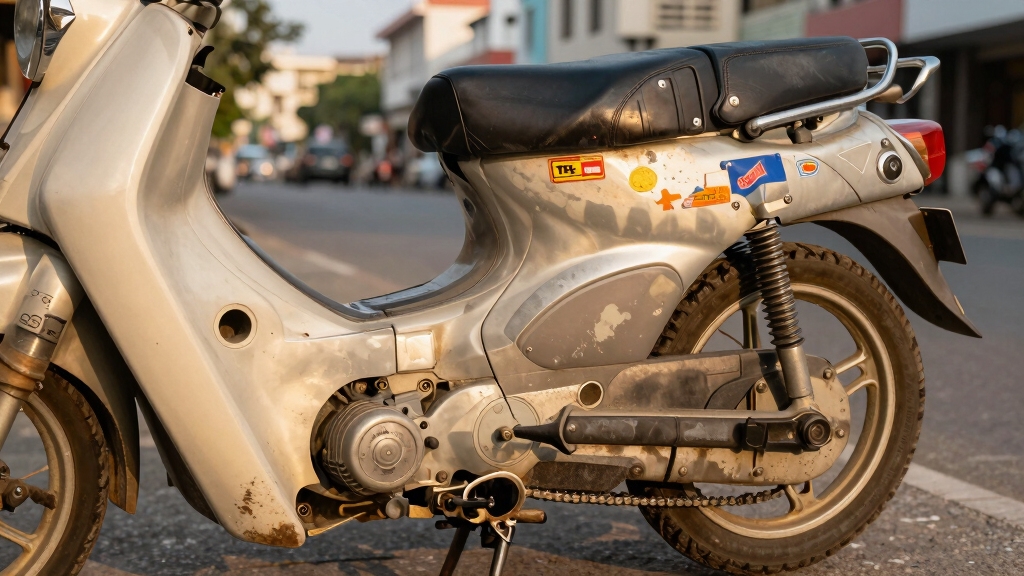
Although mopeds generally have shorter lifespans compared to cars, you can expect a typical model under 250cc to last around 30,000 miles with regular use.
Typical mopeds under 250cc last about 30,000 miles with consistent, regular use.
This estimate assumes consistent operation at approximately 10,000 miles annually, equating to about three years of service.
High-quality models, such as the Honda Elite series, can reach up to 80,000 miles when maintained meticulously.
To achieve these upper limits, you need to adhere to scheduled maintenance, including timely replacements of components like tires and belts every 5,000 to 10,000 miles.
While mopeds don’t rival cars in longevity, their efficient fuel consumption offsets costs.
Understanding these baseline figures helps you set realistic expectations for moped durability and plan maintenance to optimize lifespan.
Additionally, many mopeds feature 4-stroke air-cooled engines that provide reliable power and easier maintenance, contributing to their overall durability.
Which Riding Habits Affect Moped Lifespan Most?
Consistently adopting smooth acceleration and deceleration markedly preserves your moped’s mechanical integrity and extends its lifespan. Abrupt starts and stops increase stress on the engine, transmission, and brake components, accelerating wear.
Avoid riding at high RPMs for extended periods, as this elevates internal friction and heat, degrading engine parts faster.
Maintaining proper tire pressure is also essential, as underinflation reduces speed and increases wear, while overinflation limits traction and can affect handling.
| Riding Habit | Impact on Lifespan |
|---|---|
| Smooth acceleration | Reduces engine and transmission wear |
| Frequent rapid stops | Increases brake system degradation |
| High RPM riding | Accelerates engine component wear |
Average Usage Expectations for Your Moped
When you maintain your moped properly, you can expect it to last around five years under average usage conditions.
Typically, this assumes about 6,000 to 8,000 miles annually, balancing daily commutes and occasional longer trips.
Average usage balances around 6,000 to 8,000 miles yearly, mixing daily rides with occasional longer trips.
At approximately 30,000 to 40,000 miles, critical components like tires, belts, and batteries require scheduled replacements to sustain performance.
Higher annual mileage, such as 10,000 miles, usually shortens lifespan to around three years due to accelerated wear.
Quality factors influence durability; premium models endure extended use with fewer failures.
Your riding habits and environmental exposure also affect mechanical stress.
While mopeds excel in fuel efficiency, their longevity hinges on usage patterns aligning with manufacturer specifications.
Understanding these parameters helps you set realistic expectations for your moped’s operational lifespan without relying solely on maintenance to extend it.
Additionally, proper battery maintenance is crucial to maximize the lifespan and reliability of your moped’s electrical system.
Keeping Your Moped Running Longer With Maintenance
Extend your moped’s lifespan markedly by adhering to a strict maintenance schedule that includes regular inspections and timely part replacements.
You should perform annual servicing to evaluate tires, batteries, belts, and electrical systems.
Monitor tire pressure precisely, as underinflated tires cause motor strain, accelerating wear.
Replace tires and drive belts every 5,000 to 10,000 miles to prevent component failure.
Regularly clean and lubricate moving parts to reduce friction and corrosion.
Check battery health and electrical connections to maintain consistent power delivery.
Utilize professional technicians for thorough diagnostics, especially on complex systems.
Additionally, performing routine oil changes using the recommended oil type and intervals is crucial to ensure engine longevity and optimal performance.
When to Replace Moped Parts for Longer Life?
You know, it’s a good idea to replace your moped’s tires every 5,000 to 10,000 miles. This helps keep your traction in check and prevents unnecessary strain on the motor.
Also, don’t forget about the belt! It’s smart to check and adjust it regularly. When you spot any signs of wear, go ahead and replace it to keep your moped performing at its best.
And let’s talk about the battery. Regular inspections are key here! Make sure to replace it in a timely manner to ensure those reliable starts and smooth electrical function. Keeping an eye on these parts can really extend the life of your moped!
Regular maintenance, including timely part replacements, is essential to prevent larger issues such as low compression that can affect engine longevity.
Tire Replacement Intervals
Regularly replacing your moped’s tires every 5,000 to 10,000 miles is essential for maintaining peak performance and prolonging the vehicle’s lifespan. Worn tires increase motor strain and reduce efficiency, accelerating component wear. Monitor tread depth and inflation pressure frequently to avoid premature replacement. Rear tires typically wear faster and need closer attention.
| Mileage Interval | Tire Condition | Recommended Action |
|---|---|---|
| 0 – 5,000 miles | New or minimal wear | Inspect; maintain pressure |
| 5,000 – 8,000 miles | Moderate tread wear | Prepare for replacement |
| 8,000 – 10,000 miles | Significant tread loss | Replace immediately |
Consistent tire replacement prevents performance drops and costly repairs. This ensures your moped runs efficiently and safely over the long term. Using tires with the proper material durability can also extend their lifespan and improve ride quality.
Belt Maintenance Schedule
Following tire maintenance, attention must shift to the moped’s belt, a vital component transmitting engine power to the wheels.
You should inspect the belt every 5,000 miles for signs of wear such as cracks, fraying, or glazing.
Replace it between 5,000 and 10,000 miles, depending on usage intensity and belt quality.
Neglecting timely replacement risks belt slippage, reduced power transfer, and premature drivetrain damage.
When installing a new belt, make certain of proper tension to prevent excessive strain or slipping.
Regular belt maintenance prevents costly repairs and extends your moped’s operational lifespan markedly.
Remember, belts on higher-quality mopeds may last toward the upper mileage limit, but consistent inspections help you catch degradation early.
This maintains peak performance and reliability throughout your moped’s life.
Additionally, inspecting the mechanical drive components regularly ensures that belts and related parts remain in optimal condition to avoid unexpected failures.
Battery Care Tips
Monitor your moped’s battery condition closely to guarantee consistent starting power and electrical system reliability.
Regularly inspect terminals for corrosion and make certain tight connections to prevent voltage drops.
Use a multimeter to check voltage; a healthy battery shows around 12.6 volts when fully charged.
Charge the battery using a compatible charger after extended inactivity to avoid sulfation, which reduces capacity.
Replace the battery every 2 to 3 years or sooner if you notice diminished performance or failure to hold charge.
Avoid deep discharges, as they shorten battery life.
Keep the battery securely mounted to prevent vibration damage.
Proper battery care directly influences your moped’s mileage longevity by maintaining electrical efficiency and preventing premature component wear or failure.
Performing a battery reset by fully discharging and then fully recharging can help recalibrate the Battery Management System.
How Tires Influence Moped Longevity and Performance?
You really need to keep an eye on your tire wear.
Worn tires can put extra strain on both the motor and the battery, which can shorten your moped’s lifespan.
Also, don’t forget about tire inflation!
Keeping your tires properly inflated helps with rolling resistance, which boosts fuel efficiency and makes your components last longer.
By checking on these things regularly, you’ll not only maintain performance but also help your moped last much longer.
It’s all about those little details!
Additionally, choosing tires with pneumatic design can improve shock absorption and reduce strain on your moped’s components.
Tire Wear Effects
Although tire wear might seem like a minor detail, it critically affects your moped’s longevity and performance. Worn tires increase rolling resistance, forcing your motor and battery to work harder, accelerating component fatigue.
Uneven tread degradation can destabilize handling, leading to premature suspension and frame stress. As tires deteriorate, they compromise grip and shock absorption, reducing ride efficiency and safety.
Rear tires typically wear faster, demanding more frequent replacement to maintain peak function. Neglecting tire condition not only shortens tire lifespan but also strains adjacent systems, increasing wear rates across drivetrain elements. Proper maintenance and monitoring of tire condition are essential to prevent instability and increased stress on your vehicle’s components.
Proper Inflation Benefits
Consistently maintaining proper tire inflation optimizes your moped’s efficiency and prolongs component life.
Underinflated tires increase rolling resistance, forcing the motor and battery to work harder. This accelerates wear and reduces overall lifespan.
Overinflated tires decrease traction and cause uneven tread wear, risking premature tire failure.
You should check tire pressure regularly, adhering strictly to manufacturer specifications.
Correct inflation preserves optimal contact patch, enhancing stability and reducing stress on suspension components.
Properly inflated tires also improve fuel efficiency by minimizing energy loss.
Neglecting inflation leads to faster degradation of both tires and drivetrain parts, shortening your moped’s operational life.
By maintaining exact tire pressures, you guarantee consistent performance, extend tire intervals, and protect costly mechanical elements.
Ultimately, this maximizes your moped’s mileage potential.
Why Quality Matters for Moped Longevity?
Investing in a high-quality moped directly enhances its durability and performance over time. When you choose a premium model, you get superior materials and engineering that resist wear and prevent premature failures.
Low-quality mopeds often have compromised design integrity, leading to frequent breakdowns and shorter lifespans. Quality affects critical components like the engine, frame, and electrical systems, ensuring your moped withstands extended use without issues.
| Quality Aspect | High-Quality Mopeds | Low-Quality Mopeds |
|---|---|---|
| Material Strength | Durable alloys, reinforced | Cheap metals, prone to rust |
| Engine Build | Precision machining | Inconsistent tolerances |
| Electrical System | Reliable wiring, protected | Exposed, easily damaged |
| Frame Integrity | Rigid, tested for stress | Weak joints, flexible |
| Component Lifespan | 30,000+ miles | Under 15,000 miles |
Extending Moped Life Through Regular Servicing
Performing regular servicing keeps your moped operating at peak efficiency and prevents premature wear of critical components.
Regular servicing ensures your moped runs efficiently and extends the life of essential parts.
You should schedule annual inspections that include tire condition, battery health, and electrical system diagnostics.
Replacing tires and belts every 5,000 to 10,000 miles is vital to avoid strain on the motor and drivetrain.
A professional technician can detect early signs of mechanical degradation, ensuring safe operation and avoiding costly failures.
Precise adjustments to the carburetor, chain tension, and brake systems during servicing maintain optimized performance.
Neglecting these procedures accelerates component wear and shortens your moped’s lifespan.
DIY Tips to Keep Your Moped Running Longer
To keep your moped running smoothly, it’s super important to perform some essential routine checks. Start by focusing on tire pressure, tread wear, and belt condition. These little things can make a big difference in your moped’s performance!
When it comes to tire maintenance, don’t forget to keep an eye on those tires. Make sure they’re properly inflated, and remember to replace them every 5,000 to 10,000 miles. This not only helps prevent motor strain but also extends the life of your moped.
And let’s talk about the belts. Regularly inspecting and replacing worn-out belts is key! This helps maintain efficient power transmission and can really reduce the risk of unexpected breakdowns. So, keep those checks on your list, and your moped will thank you for it!
Essential Routine Checks
Regularly inspecting key components like tires, belts, and the battery can markedly extend your moped’s lifespan. You should check belt tension for signs of wear, battery terminals for corrosion, and guarantee electrical connections remain secure. Neglecting these can lead to premature failures, reducing mileage potential.
Use the table below for your routine checklist:
| Component | Check Frequency | Key Points |
|---|---|---|
| Tires | Weekly | Look for cracks, pressure |
| Belts | Every 3,000 mi | Inspect tension, fraying |
| Battery | Monthly | Clean terminals, charge level |
| Lights | Monthly | Confirm all bulbs operational |
| Brakes | Every 2,000 mi | Test responsiveness, pad wear |
Perform these checks consistently to maintain peak performance, avoid costly repairs, and maximize your moped’s mileage.
Tire Maintenance Tips
Consistently maintaining proper tire pressure and inspecting tread depth markedly enhances your moped’s efficiency and lifespan.
Check tire pressure weekly using a reliable gauge, adhering strictly to the manufacturer’s recommended PSI. Underinflated tires increase rolling resistance, causing motor strain and accelerated battery depletion.
Examine tread depth for uneven wear or bald spots; replace tires once tread reaches the minimum safe depth (usually 1.6 mm). Rotate tires periodically if your moped’s design allows, promoting uniform wear.
Inspect sidewalls for cracks or bulges that indicate structural compromise. Clean tires regularly to remove debris that can cause punctures.
Avoid overloading, as excess weight stresses tires and suspension. By implementing these precise maintenance steps, you’ll prevent premature tire failure, preserve motor efficiency, and extend your moped’s functional life considerably.
Belt Replacement Guide
Monitor your moped’s drive belt condition closely. Timely replacement prevents power loss and mechanical damage. The belt endures constant friction and stress, so inspect it every 5,000 miles or sooner if you notice slipping or unusual noises.
Replace worn or cracked belts immediately to maintain peak performance. When replacing the belt, keep these points in mind:
Use manufacturer-approved belts to guarantee proper fit and durability. Clean the pulley system thoroughly before installation. Check belt tension per specifications to avoid premature wear.
Lubricate moving parts adjacent to the belt but avoid the belt surface. Test ride post-installation to confirm smooth power transfer.
Following these steps will extend your moped’s lifespan and maintain efficient operation.
Picking a Moped That’ll Go the Distance
Choose a moped built with high-quality components and proven durability to guarantee it withstands extended use and high mileage. Focus on models with robust frame construction and reliable engines, preferably under 250cc.
Ensure the moped has premium drivetrain parts to minimize premature failures. Evaluate design integrity, ensuring efficient cooling systems and reinforced belt mechanisms to reduce wear.
Prioritize brands with documented longevity, like Honda Elite, known for reaching 80,000 miles with maintenance. Inspect tire quality and suspension robustness, as these influence operational stability and component strain.
Confirm availability of replacement parts to facilitate ongoing maintenance. By selecting a moped with superior build standards and service support, you ensure it can endure frequent use, achieve higher mileage thresholds, and maintain performance reliability over years.
Ultimately, this approach maximizes your investment.
Frequently Asked Questions
How Does Weather Affect Moped Lifespan?
Weather markedly impacts your moped’s lifespan by accelerating wear and corrosion.
Exposure to rain and humidity promotes rust on metal parts and electrical connections, causing premature failures.
Cold temperatures thicken fluids, stressing the engine and battery.
UV rays degrade rubber components like tires and belts, leading to cracking.
To prolong durability, you should store your moped indoors, apply protective coatings, and perform frequent inspections after harsh weather exposure.
Are Electric Mopeds Longer-Lasting Than Gas Models?
Like comparing apples to oranges, electric mopeds often outlast gas models due to fewer moving parts and less mechanical wear.
You’ll find electric motors typically require less maintenance, extending lifespan beyond 30,000 miles common with gas scooters.
However, battery degradation limits total longevity.
With proper care, including battery management and tire upkeep, electric mopeds can deliver more consistent, reliable miles.
They often surpass gas versions in both durability and operational efficiency.
What Are Common Signs of Motor Failure in Mopeds?
You’ll notice motor failure signs like unusual noises, such as grinding or rattling, indicating internal wear.
If your moped hesitates during acceleration or struggles to maintain speed, that’s a red flag.
Frequent stalling and decreased power output also signal motor trouble.
Additionally, excessive smoke from the exhaust or burnt smells can mean overheating or electrical faults.
Catch these early by monitoring performance and scheduling diagnostics promptly to avoid costly repairs.
How Do Storage Conditions Impact Moped Durability?
Storage conditions critically affect your moped’s durability. You should store it in a dry, temperature-controlled environment to prevent rust and battery degradation.
Avoid exposure to moisture and extreme temperatures, which accelerate corrosion and damage rubber components like tires and belts.
Using a breathable cover reduces dust accumulation but prevents condensation buildup.
Proper storage maintains tire pressure and electrical integrity, extending your moped’s operational lifespan and reducing maintenance frequency.
Can Aftermarket Parts Reduce Moped Lifespan?
Imagine a finely tuned engine humming smoothly versus one sputtering with worn parts. Yes, using aftermarket parts can reduce your moped’s lifespan if those components lack quality or compatibility.
Inferior materials or improper fit cause excessive wear, stress on your motor, and electrical failures. However, high-quality aftermarket parts, chosen carefully, can maintain or even improve performance.
Always prioritize trusted brands and precise specifications to preserve durability.
From Routine Care to Extra Miles: Extending Your Moped’s Life
By understanding how riding habits and regular maintenance affect your moped’s lifespan, you can confidently extend its mileage well beyond the average.
Keep a close eye on wear and tear, replace parts promptly, and don’t cut corners on quality.
With consistent care and attention to detail, your moped won’t just run; it’ll go the extra mile. This proves that a stitch in time truly saves nine when it comes to longevity.