
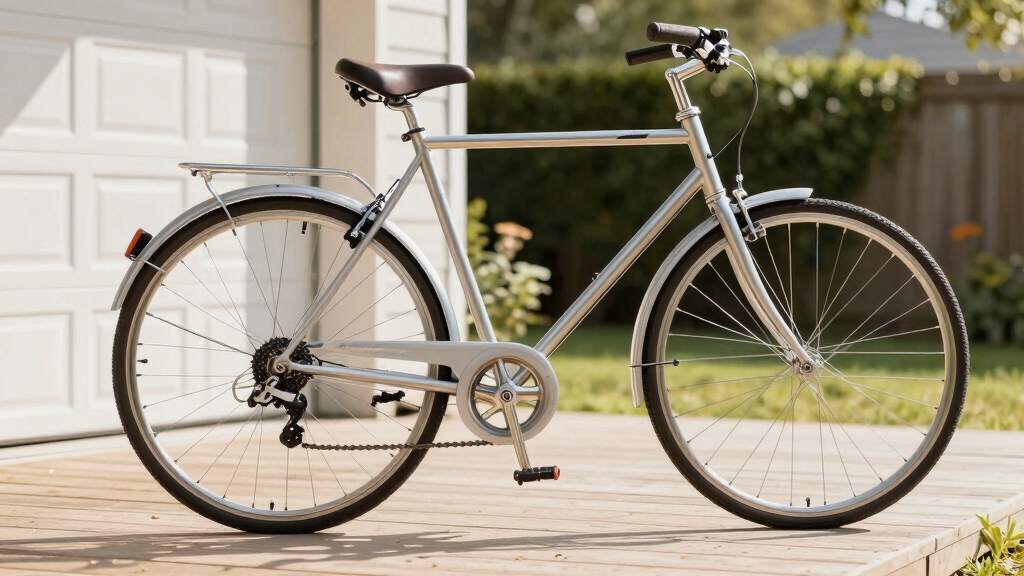
To sell your bicycle effectively, choose a sales channel that fits your bike’s type and your timeline. Consider online marketplaces for wide exposure or local classifieds for quicker, in-person deals.
Price it using recent market data and adjust for condition, highlighting maintenance and key components. Prepare your bike meticulously, capture clear photos, and provide thorough documentation.
Secure payment methods protect you legally. Interested in mastering every step from pricing to shipping? Keep exploring to sharpen your selling strategy.
Key Takeaways
- Research recent sales of similar bikes to set a competitive price based on condition and market demand.
- Thoroughly clean, maintain, and photograph the bike with clear, detailed images from multiple angles.
- Use trusted online marketplaces or local classifieds for wider exposure and faster sales, balancing fees and convenience.
- Provide comprehensive documentation including proof of ownership, maintenance history, and detailed component descriptions.
- Opt for secure payment methods with seller protection and avoid risky options like wire transfers or untraceable payments.
Understanding the Bicycle Market Size and Demand
While the bicycle market continues to expand rapidly, you need to grasp its scale and demand dynamics to sell effectively.
The global market is set to nearly double, reaching up to USD 241 billion by 2034, fueled by a compound annual growth rate between 4.8% and 9.9%. This growth is accompanied by innovations in bike design, such as the evolution from traditional safety bikes to modern road and mountain bikes with advanced technology, increasing consumer interest in diverse cycling options.
Asia Pacific dominates, with China alone projecting 450 million users by 2025, signaling immense potential. The region is also expected to grow at a strong 8.5% CAGR from 2026 to 2035, highlighting sustained expansion opportunities.
Unit sales worldwide could hit 138 million by 2029, driven by urban commuters and leisure cyclists alike.
E-bikes are especially lucrative, expected to generate nearly USD 79.5 billion in 2025, capitalizing on compact size and range advantages.
Understanding these trends helps you position your bicycle strategically, aligning with rising demand fueled by urban density, traffic challenges, and evolving consumer preferences for sustainable, tech-integrated mobility solutions.
Choosing the Right Sales Channel for Your Bike
When selling your bike, selecting the right sales channel directly impacts your speed of sale, net proceeds, and buyer confidence.
Online marketplaces offer broad reach and faster sales but include listing fees that reduce your net.
Online marketplaces provide wide exposure and quick sales, though listing fees may lower your final earnings.
Local classifieds and peer-to-peer apps encourage in-person inspections, boosting buyer trust and often enabling quicker transactions.
Independent bike shops provide consignment options with higher commissions but access buyers valuing service and fitting. Since about 44% of brands sell through Independent Bicycle Dealers (IBD), this channel remains significant for many sellers.
Trade-in programs grant immediate cash but at discounted prices.
For rare or vintage bikes, auctions and specialist dealers can secure premium prices despite longer timelines and added fees.
Factor in shipping or drop-off costs when selling long-distance, and consider using a bike rack to transport your bicycle safely.
Choose a channel aligned with your priorities—speed, price, or convenience—to maximize your sale’s success and satisfaction.
Setting the Optimal Price Based on Condition and Market Data
Hey there! So, to get started, you’ll want to look into recent sales of bikes similar to yours. This will help you establish a solid baseline for what the market price looks like right now.
Once you’ve got that info, it’s time to dive a bit deeper. Take a good look at your bike’s condition—think about any wear and tear, maintenance history, and any cosmetic issues it might have. This will really help you adjust that price to reflect its true value. Remember that pre-owned bikes built within the last 5–10 years tend to retain better value due to easier parts availability and modern standards. Also, inspecting key components like the master link on the chain can give buyers confidence in the bike’s maintenance and overall condition.
Market Comparison Pricing
Because setting the right price hinges on understanding both your bike’s condition and current market dynamics, you need to investigate into detailed comparisons with similar listings and recent sales.
Start by researching prices in your local urban or rural area, considering seasonality and brand momentum. Use multiple data sources for accuracy:
Check online marketplaces for real-time listings and completed sales.
Consult local bike shops for dealer sale insights. Remember that brand support can significantly influence resale value and should be factored into your pricing strategy.
Review market reports to understand price tiers and trends. Pay special attention to factors like wheelset materials and specifications, as these can impact perceived value and pricing.
Explore brand valuation guides for model-specific premiums.
Use price-tracking tools to spot seasonal shifts.
Condition Adjustment Factors
Accurately pricing your bicycle means factoring in its condition alongside market data. Condition grades, from C1 (lowest) to C10 (highest), heavily influence value. It is important to note that condition assessments are subjective and can vary between collectors, so using a consistent grading scale helps provide clarity. Additionally, securing your bike properly using locking mechanisms can preserve its condition and value.
For example, a C8 bike shows minor wear like dull plating and small dents but retains strong market appeal. Consider maintenance and preservation, as well-kept bikes fetch higher prices.
| Condition Factor | Price Impact |
|---|---|
| Minor Scratches | Slight reduction |
| Missing Reflectors | Moderate reduction |
| Well-maintained Parts | Significant value boost |
Algorithms adjust prices using condition, age, and components, validated by experts appraising damage and upkeep. You’ll maximize your sale price by accurately grading your bike’s condition and aligning it with real-time market data.
Preparing Your Bicycle for Sale: Maintenance and Presentation
Preparing your bicycle for sale often starts with a meticulous inspection and maintenance routine that highlights its best features while ensuring it functions flawlessly.
Start your bike sale by thoroughly inspecting and maintaining to showcase its top condition and performance.
You want potential buyers to see a bike that’s clean, safe, and reliable. Focus on these key areas:
Inspect frame and fork for cracks, dents, or rust; wipe down to reveal any wear. Remember, hidden damage such as frame cracks or bent forks can pose serious safety risks and should be addressed or disclosed.
Check wheels for wobbles and tires for tread wear or dry rot; inflate properly.
Test brakes and cables; replace frayed cables and lubricate moving parts.
Clean and lubricate the entire drivetrain, including chain, cassette, and derailleurs. Using a proper cassette cleaning method ensures the drivetrain runs smoothly and appeals to buyers.
Tighten bolts and check suspension and bearings for smooth operation.
Creating an Effective Listing With Photos and Documentation
When it comes to selling your bike, you definitely want to showcase it with clear, high-quality photos that capture every angle and detail. You know how important it’s for buyers to see exactly what they’re getting, right? Including photos of any minor wear or scratches can add transparency and build buyer trust by showing the bike’s true condition. Proper surface preparation can also help in presenting the bike in the best possible light.
So, make sure to include thorough descriptions of all the components. This way, they’ll have a complete picture and can feel confident in their purchase.
And let’s not forget about documentation! Organizing everything neatly not only builds trust but also makes the sale process smoother. Trust me, a well-documented listing can make all the difference.
Clear High-Quality Photos
Consistently capturing clear, high-quality photos is essential to showcase your bicycle’s true condition and attract serious buyers. To make your listing stand out, focus on professional presentation and thorough coverage.
Use diffuse, even lighting outdoors or indoors to avoid glare and harsh shadows. Outdoors, placing the bike in a shady area helps create even lighting. Proper presentation also helps reduce the risk of damage during shipping or pickup by accurately communicating the bike’s condition.
Shoot multiple angles: drive-side profile, opposite side, 45° front/rear, drivetrain close-up, wheels, brakes, and saddle.
Keep your camera level and parallel to the bike to prevent distortion and maintain accurate geometry. Getting eye level with components by squatting rather than shooting from above ensures better perspective. This approach is similar to ensuring bike rack stability by maintaining correct alignment and angles.
Clean the bike thoroughly and remove clutter from the background for a polished look.
Include scale references like a tape measure or a known object to clarify frame size.
Detailed Component Descriptions
High-quality photos capture your bicycle’s appearance, but detailed component descriptions bring the listing to life by explaining exactly what buyers get.
Clearly describe key frame materials, groupset brand and type, drivetrain setup, handlebar style, and wheels to highlight value and performance. Including the frame number and other component details can also aid in identification if recovery is needed. Proper maintenance of components like the front derailleur ensures smooth operation and can increase buyer confidence.
Use precise terms like “carbon fiber frame” or “Shimano Deore mountain groupset” for clarity.
| Component | Description Example | Buyer Benefit |
|---|---|---|
| Frame | Aluminium alloy, double-diamond | Lightweight, durable |
| Groupset | SRAM electronic, 11-speed | Smooth, reliable shifting |
| Drivetrain | Triple chainrings, metal chain | Versatile gearing |
| Handlebar | Drop bars with integrated shifters | Comfortable, efficient control |
| Wheels | Quick-release hubs, 700c tires | Easy maintenance, smooth ride |
Detailing components builds trust and attracts informed buyers.
Organized Documentation Pack
Although great photos attract attention, an organized documentation pack provides the foundation for a trustworthy and effective bicycle listing. You’ll build buyer confidence by compiling clear proof of ownership, maintenance history, and verification details.
Include high-quality images and essential paperwork to create transparency and reduce transaction friction. Gathering original purchase documents helps enable smooth ownership transfer and verifies the sale’s legitimacy for the new owner original documents. Additionally, including maintenance records that reflect proper winter bike care can enhance buyer trust.
To create a compelling pack, focus on:
- Proof of ownership: receipts, invoices, or warranty documents.
- Serial number record: photograph and log for identity verification.
- Service history: detailed dates and work performed.
- Upgrade documentation: receipts or notes on aftermarket parts.
- Simple bill of sale: date, price, parties, and serial number.
Keep all files in one clearly named folder for easy sharing. This ensures your listing stands out as professional and reliable.
Negotiation Strategies to Maximize Sale Price
Mastering negotiation strategies is key to maximizing your bicycle’s sale price.
Start by setting your listing about 10–20% above your target, anchored to recent market data to stay credible.
Begin pricing your bike 10–20% above your goal, grounded in current market trends for credibility.
Keep a firm minimum price in mind to avoid conceding too much.
When buyers lowball, respond with polite counteroffers that close roughly half the gap, signaling you’re serious but not desperate.
Support your price with documented service history, OEM receipts, and comparable sales to justify premiums confidently.
Highlight upgrades and disclose defects upfront to limit buyer leverage.
Time your sale during peak demand seasons and mention any scarcity to boost urgency, as shops often adjust pricing based on seasonal timing.
Offer small, conditional concessions like a price cut for immediate pickup to maintain control and encourage reciprocity, rather than slashing prices repeatedly.
These tactics help you sell smarter, not cheaper.
Managing Secure Transactions and Payment Methods
Protecting your sale starts with choosing secure payment methods that shield both you and the buyer from fraud. Opt for platforms like PayPal Goods & Services or escrow services to guarantee funds are safely held until the buyer confirms satisfaction. Our platform enhances security by requiring registration and verified identities for all users, ensuring you always know who you are dealing with.
Avoid risky options like wire transfers, gift cards, or peer-to-peer apps without seller protection. Always verify buyer identities and insist on clear communication before finalizing any transaction.
Use verified, encrypted payment gateways like Braintree. Reject untraceable payments like Zelle or Venmo for sales.
Meet in public places and confirm payment receipt before transfer. Require detailed buyer info and bike photos to verify legitimacy.
Be alert for fake payments or urgent requests signaling scams. These steps safeguard your transaction and help you sell your bike confidently.
Legal and Safety Considerations When Selling a Bike
When selling a bike, you need to address legal and safety considerations to protect yourself and guarantee a smooth transaction.
Start by drafting a bill of sale that includes the bike’s make, model, serial number, and a clear “sold as is with no warranty” clause, signed by both parties. Disclosing any known defects clearly can significantly reduce the risk of liability for the seller disclosure of defects.
Require the buyer to get a safety check from a certified mechanic before riding; this reduces your liability.
Always verify and provide proof of ownership, such as the original receipt or invoice, along with warranty papers if applicable.
Meet buyers in public, secure their ID during test rides, and avoid sharing sensitive info prematurely to prevent fraud.
These steps protect your interests and establish trust, making your bike sale both safe and legally sound.
Handling Shipping and Post-Sale Responsibilities
Although shipping a bicycle can seem straightforward, handling the logistics and post-sale responsibilities requires careful attention to guarantee a smooth experience for both you and the buyer.
You’ll want to make certain proper packaging, provide accurate tracking, and promptly address any issues that arise. Many sellers find that using specialized shipping services like BikeFlights or SendMyBag offers better support and protection for bikes compared to major carriers.
Keep these key points in mind:
Use sturdy packaging; professional disassembly may cost $250+, but self-packing can lower expenses.
Choose shipping methods balancing cost and speed; expect $40-$300 domestically, $200+ internationally.
Add insurance to protect high-value bikes, typically $12.80-$144.
Share tracking info and estimated delivery times promptly with the buyer.
Confirm bike arrival, inspect for damage, and manage claims efficiently if needed.
Frequently Asked Questions
How to Determine the Bike’s Frame Size Accurately?
To determine your bike’s frame size accurately, start by measuring your inseam height barefoot with a book between your legs to simulate the saddle.
Then, measure the seat tube from its top to the bottom bracket center, converting inches to centimeters if needed.
Also, check the top tube length—actual or virtual—and use stack and reach measurements for precise fit.
Combining these guarantees you pick a frame that matches your body perfectly.
What Accessories Increase Bike Resale Value Most?
The proof is in the pudding when it comes to accessories that boost your bike’s resale value.
High-quality wheelsets, electronic shifting groupsets like SRAM AXS or Shimano Di2, and proven power meters catch buyers’ eyes and wallets.
Don’t overlook premium saddles, carbon seatposts, and reliable bike computers either.
Adding fresh consumables and documenting recent professional service will sweeten the deal, making your bike irresistible to serious buyers.
When Is the Best Time of Year to Sell a Bike?
You’ll get the best price selling your bike between March and June, when demand peaks for both kids’ and adult bikes.
Spring’s warming weather sparks buyer interest, especially around long weekends in April or May.
December also works well due to holiday buying, particularly for kids’ bikes.
Avoid winter unless it’s a refurbished road bike, as demand drops.
Timing your sale to these peak months maximizes your chances of a quick, profitable sale.
How to Check if a Bike Is Stolen Before Selling?
They say, “Trust, but verify.” To check if a bike is stolen before selling, start by locating its serial number, usually on the bottom bracket or head tube.
Then, enter that number into online databases like Bike Index or Project 529 Garage to spot theft reports.
Ask the seller for proof of ownership, such as receipts or registration.
When in doubt, file a police report and avoid transactions without clear verification.
Can I Sell a Bike Without Original Purchase Receipt?
Yes, you can sell a bike without the original purchase receipt. Just create a detailed bill of sale including both parties’ names, sale date, price, and the bike’s make, model, year, and serial number.
Document the condition with photos and include an “as-is” clause.
Verify the bike’s serial number isn’t flagged as stolen and keep all records to protect yourself and reassure the buyer.
Use the Best Way to Sell a Bicycle to Close Faster
Selling your bicycle can be smooth and profitable if you approach it right. Did you know that nearly 60% of used bikes sell faster when priced within 10% of market value?
By understanding demand, choosing the best sales channel, and presenting your bike well, you’ll attract serious buyers quickly. Use smart negotiation and secure payment methods to close confidently.
Follow these steps carefully, and you’ll get the best price with minimal hassle.