
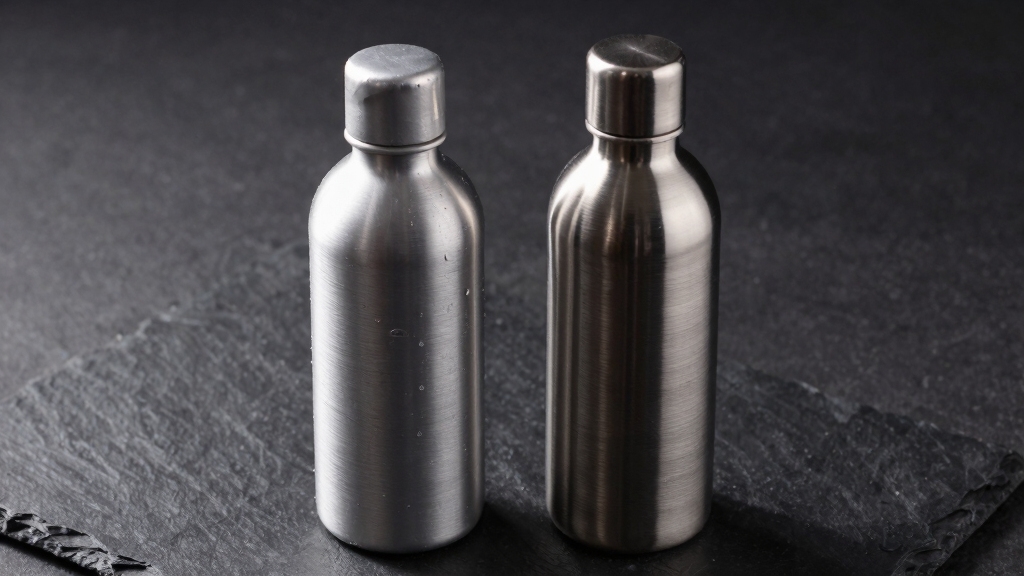
You’ll find aluminum bottles lightweight and easy to carry, making them ideal if portability and budget matter most. However, they’re less durable and need protective liners to prevent metal leaching.
Stainless steel bottles weigh more but offer superior impact resistance and corrosion protection. They also provide insulation and safer use with hot or acidic drinks.
They demand less maintenance and last longer, providing better long-term value. If you want a thorough breakdown of these trade-offs, keep exploring the details ahead.
Key Takeaways
- Aluminum bottles are lightweight, cost-effective, and ideal for portability but have thinner walls prone to dents and faster wear.
- Stainless steel bottles are heavier, highly durable, corrosion-resistant, and can last over a decade with superior impact resistance.
- Aluminum requires a protective liner to prevent metal leaching, while stainless steel is non-reactive and safer for hot or acidic drinks.
- Stainless steel offers better insulation, maintaining temperatures up to 24 hours, whereas aluminum lacks significant temperature retention.
- Aluminum bottles need gentle hand washing to protect liners, whereas stainless steel bottles are generally dishwasher safe and easier to maintain.
Aluminum or Stainless Steel Water Bottle: Best Choice for Daily Use
| Feature | Aluminum Water Bottle | Stainless Steel Water Bottle |
|---|---|---|
| Weight | Very lightweight and portable | Heavier but more solid |
| Durability | Prone to dents and scratches | Highly durable and impact-resistant |
| Lifespan | Shorter lifespan with rough use | Can last 10+ years |
| Safety | Requires protective liner to prevent leaching | Non-reactive and liner-free |
| Best for Hot Drinks | Not ideal for hot or acidic liquids | Safe for hot and acidic beverages |
| Corrosion Resistance | Moderate, depends on liner condition | Excellent corrosion resistance |
| Insulation Performance | Poor temperature retention | Excellent heat and cold retention |
| Taste Impact | May affect taste if liner is damaged | Minimal metallic taste |
| Cleaning Method | Hand wash recommended | Usually dishwasher safe |
| Maintenance Needs | Requires careful handling | Easier to maintain |
| Cost | More affordable | Higher upfront cost |
| Eco-Friendliness | Highly recyclable | Also recyclable and long-lasting |
| Portability | Easier to carry during activities | Slightly less portable due to weight |
| Best Use Case | Casual daily hydration | Long-term everyday or outdoor use |
| Appearance | Sleek and colorful designs | Premium and rugged look |
| Temperature Control | Drinks warm up quickly | Keeps drinks cold/hot for hours |
| Health Concerns | Risk if inner coating degrades | Safe unless nickel allergy exists |
| Ideal User | Budget-conscious and lightweight-focused users | Users wanting durability and insulation |
| Main Advantage | Lightweight and inexpensive | Durable, safe, and temperature-efficient |
| Overall Winner | Better for portability and budget | Better for durability and long-term value |
Aluminum vs Stainless Steel Water Bottles: Quick Comparison

Although both aluminum and stainless steel water bottles serve the same basic purpose, they differ markedly in weight, durability, safety, and maintenance.
Aluminum and stainless steel bottles differ significantly in weight, durability, safety, and ease of maintenance.
Aluminum bottles are lighter, comparable to a soda can, making them easier to carry. However, they dent and break more easily due to thinner walls.
Stainless steel, heavier and denser, offers superior impact resistance and longevity, often lasting over a decade.
From a safety perspective, aluminum requires a protective liner to prevent metal leaching, which can degrade and pose health risks if damaged.
Conversely, stainless steel is non-reactive and doesn’t need a liner but contains nickel, which may trigger allergies.
Maintenance also varies: aluminum bottles aren’t dishwasher safe due to their liner, while stainless steel bottles generally tolerate dishwasher cleaning. However, seals must be hand washed.
Additionally, the choice of materials influences the bottle’s durability and weather resistance, impacting longevity and ease of maintenance.
Weight And Durability: Aluminum vs Stainless Steel
Beyond safety and maintenance, the differences in weight and durability between aluminum and stainless steel bottles materially affect their performance and user experience.
You’ll notice aluminum bottles are appreciably lighter, comparable to a soda can. This makes them easier to carry during extended activities.
However, aluminum’s lighter weight comes with trade-offs; it dents more easily from drops or impacts. Its thinner walls degrade faster under rough use.
Conversely, stainless steel’s denser composition makes it heavier, yet it provides a sturdy, robust feel. It also has high resistance to dents and impacts.
This durability translates into longevity, with stainless steel bottles often lasting over a decade.
Choosing between them depends on whether you prioritize portability or resilience in demanding conditions.
Additionally, just as folding bead tires use lightweight Kevlar beads to reduce weight while maintaining flexibility, aluminum bottles prioritize weight savings for enhanced portability.
Safety: Which Material Is Better For Drinking Water?
When choosing between aluminum and stainless steel water bottles, safety concerns primarily center on material reactivity and potential chemical exposure.
Aluminum bottles require a protective liner to prevent metal leaching into your water, especially with acidic or hot liquids. If this liner gets damaged, you risk direct exposure to aluminum, which can pose health hazards.
In contrast, stainless steel bottles are non-reactive and don’t need liners, eliminating the risk of chemical leaching. However, if you have a nickel allergy, stainless steel may cause reactions due to its nickel content.
Stainless steel also resists corrosion better than aluminum under varied conditions. Overall, stainless steel offers a safer, more reliable option for drinking water, provided you don’t have metal sensitivities. Aluminum’s safety depends heavily on liner integrity.
Regular maintenance and inspection of water bottles, similar to caring for leather gloves, help ensure long-term safety and durability by preventing damage and contamination in protective coatings.
Cleaning And Maintenance Tips For Both Bottles
Maintaining the safety and longevity of your water bottle depends heavily on proper cleaning and upkeep. For aluminum bottles, avoid dishwashers since the liner can degrade, exposing metal and risking contamination. Hand wash with mild detergent and a soft brush, guaranteeing you rinse thoroughly to prevent residue buildup.
Dry completely to avoid moisture damage. Stainless steel bottles usually tolerate dishwasher cycles, but caps with seals need gentle hand washing to preserve integrity. Their corrosion resistance simplifies maintenance; you can use baking soda or vinegar for odor removal without harming the surface.
Regular inspection of seals and liners in both bottles helps prevent microbial growth and material breakdown. Adhering to these practices guarantees your bottle remains safe, functional, and durable over time. Additionally, storing bottles in cool, dry places can prevent environmental factors from accelerating material degradation, similar to how environmental conditions affect battery durability.
Cost Comparison: Aluminum Vs Stainless Steel Bottles
Several factors influence the cost difference between aluminum and stainless steel water bottles, primarily material expenses and durability.
Aluminum bottles generally cost less due to the lower price of the metal and simpler manufacturing processes.
They’re ideal if you want an economical option for casual use.
Stainless steel bottles, however, come at a higher initial price because stainless steel is denser and more expensive.
It requires more complex fabrication.
Despite the higher cost, stainless steel’s superior durability justifies the investment.
These bottles can last 12 years or more without compromising integrity.
You’ll pay more upfront for stainless steel, but its longevity and resistance to dents and corrosion often reduce replacement frequency.
This offers better long-term value compared to aluminum alternatives.
Additionally, factors like material strength and maintenance simplicity play a significant role in overall product value.
Insulation And Taste Differences Between Aluminum And Stainless Steel
Beyond cost considerations, understanding how aluminum and stainless steel bottles handle insulation and taste can influence your choice. Aluminum bottles cool drinks quickly but fail to retain temperature. In contrast, stainless steel excels at maintaining cold or hot temperatures for up to 24 hours.
Taste-wise, stainless steel is largely non-reactive, though it may impart a faint metallic flavor. Aluminum bottles usually have liners to prevent metal contact, but if damaged, they can affect taste and safety.
Choosing materials with effective insulation and temperature retention is crucial for maintaining beverage quality over time.
| Feature | Aluminum | Stainless Steel |
|---|---|---|
| Temperature Retention | Poor, cools drinks fast | Excellent, up to 24 hours |
| Taste Impact | Possible if liner is damaged | Minimal, mostly non-reactive |
| Surface Reactivity | Requires liner | No liner needed |
| Safety Concern | Liner damage risks metal exposure | Corrosion-resistant |
| Maintenance | Sensitive to damage, careful cleaning | Easier cleaning, dishwasher safe |
Who Should Choose Aluminum Or Stainless Steel Water Bottles?
If you’re looking for something that’s lightweight and easy on the wallet, aluminum bottles might be right up your alley. They’re perfect for casual, low-impact use, making them a great choice for everyday outings.
On the other hand, if you need something more durable and are willing to invest a bit more, stainless steel is the way to go. It offers superior durability and better insulation, making it ideal for those who are active and want their drinks to stay at the right temperature for longer.
Additionally, choosing materials with exceptional durability and weather resistance ensures your bottle performs well in various outdoor conditions.
Ideal Users For Aluminum
Lightweight and cost-effective, aluminum water bottles suit users prioritizing portability and budget without sacrificing basic functionality. You’ll benefit if you need a light container for casual hydration, short trips, or everyday use where durability is less critical.
Aluminum’s lower cost makes it ideal if you replace bottles frequently or want a simple, recyclable option.
| Feature | Ideal Aluminum User Profile |
|---|---|
| Weight | Prioritizes lightweight, easy carrying |
| Cost | Seeks budget-friendly, replaceable |
| Durability | Uses gently, avoids rough handling |
| Safety | Comfortable with coated interiors |
| Cleaning | Prefers hand washing, avoids dishwasher |
Proper care and maintenance can significantly improve the durability and lifespan of aluminum bottles, much like with electric scooters.
Benefits Of Stainless Steel
While aluminum water bottles cater well to those valuing portability and cost savings, stainless steel offers distinct advantages that suit users demanding durability, safety, and superior insulation. You’ll appreciate stainless steel’s robust construction, resisting dents and impacts far better than aluminum. It’s non-reactive, eliminating the need for liners that risk leaching harmful substances. Plus, it maintains beverage temperature efficiently, keeping drinks cold for up to 24 hours.
Consider these benefits:
- Durability: Stainless steel endures rough use and lasts over a decade without structural compromise.
- Safety: Its inert surface prevents corrosion and chemical leaching, ensuring purity with hot or acidic drinks.
- Insulation: Superior thermal retention preserves flavors and temperature longer than aluminum.
Additionally, the choice of materials like stainless steel balances durability, corrosion resistance, and longevity, making it ideal for heavy-duty use.
If you prioritize longevity, safety, and insulation, stainless steel is your best choice.
Frequently Asked Questions
Can Aluminum or Stainless Steel Bottles Be Recycled Easily?
Yes, you can recycle both aluminum and stainless steel bottles quite easily.
Aluminum is highly recyclable and can be processed repeatedly without losing quality, making it energy-efficient to recycle.
Stainless steel is also recyclable, though the process is a bit more complex due to its alloy composition.
When you recycle these bottles, make sure they’re clean and free of liners or seals to streamline processing and maximize material recovery.
Are There Eco-Friendly Manufacturing Processes for These Bottles?
You can think of eco-friendly manufacturing processes for these bottles as a well-oiled machine working efficiently.
Both aluminum and stainless steel production now incorporate recycled materials, reducing raw mining impact.
Techniques like closed-loop water systems and renewable energy usage cut emissions.
Plus, advancements in powder coating and minimal chemical treatments help reduce environmental footprint.
You’ll find stainless steel often benefits from more energy-efficient recycling, making both options greener when sourced responsibly.
Do These Bottles Affect the Taste of Flavored Beverages?
Yes, flavored beverages might taste different depending on your bottle choice.
Aluminum bottles often have liners that, if damaged, can impart off-flavors or metallic notes.
Stainless steel bottles are non-reactive, so they generally preserve the original taste better.
However, some users report a faint metallic aftertaste.
If you want accurate flavor retention, stainless steel is your best bet.
Just keep it clean and undamaged to avoid any taste alteration.
How Do Aluminum and Stainless Steel Bottles Perform in Extreme Temperatures?
You’ll find aluminum bottles cool drinks quickly but struggle to keep temperatures stable over time.
Stainless steel bottles excel in extreme temperatures, maintaining cold up to 24 hours and offering better insulation overall.
However, stainless steel can sometimes impart a faint metallic taste, especially with hot beverages.
Aluminum bottles, if their liner is damaged, risk leaching and affecting taste under heat.
For reliable temperature control, stainless steel performs best.
Are There Specific Brands Known for Quality in Each Material?
You’ll find Klean Kanteen and Hydro Flask leading in stainless steel bottles, known for durability and insulation precision.
For aluminum, brands like Sigg excel, offering lightweight designs with quality liners.
Both prioritize BPA-free materials and corrosion resistance.
Choosing depends on your priority: Sigg for lightweight portability and Klean Kanteen or Hydro Flask for long-term performance and superior temperature retention.
Each brand maintains rigorous quality controls for safety and longevity.
Choose the Perfect Water Bottle for Your Lifestyle
When choosing between aluminum and stainless steel water bottles, consider weight versus durability, safety versus maintenance, and cost versus insulation.
You’ll find aluminum lighter but less robust, easier on your budget but prone to taste alterations.
Stainless steel offers superior strength, safety, and insulation but demands more care and investment.
By weighing these factors carefully, you can select the bottle that fits your lifestyle, preferences, and hydration needs with confidence and precision.