

A 600cc bike isn’t the best choice if you’re new to motorcycling. Its powerful throttle and heavier weight demand smooth, precise control that beginners usually haven’t developed yet.
The aggressive handling and sensitive brakes can quickly overwhelm you, increasing crash risk and maintenance costs. Smaller bikes make it easier to build your skills and confidence safely.
If you want to understand when a 600cc might fit your needs and how riding it differs, there’s more useful info ahead.
Key Takeaways
- 600cc bikes have aggressive throttle response and high power, making them challenging and less forgiving for beginners.
- Heavier weight and longer wheelbase complicate low-speed control, balance, and tight maneuvering for new riders.
- Sensitive brakes and rapid acceleration demand precise skills, increasing crash risk for inexperienced motorcyclists.
- Smaller beginner bikes offer easier handling, smoother power delivery, and faster skill development for novices.
- Maintenance costs and repair risks are higher with 600cc sportbikes due to complexity and fragility.
Why 600CC Bikes Overwhelm Beginner Riders?
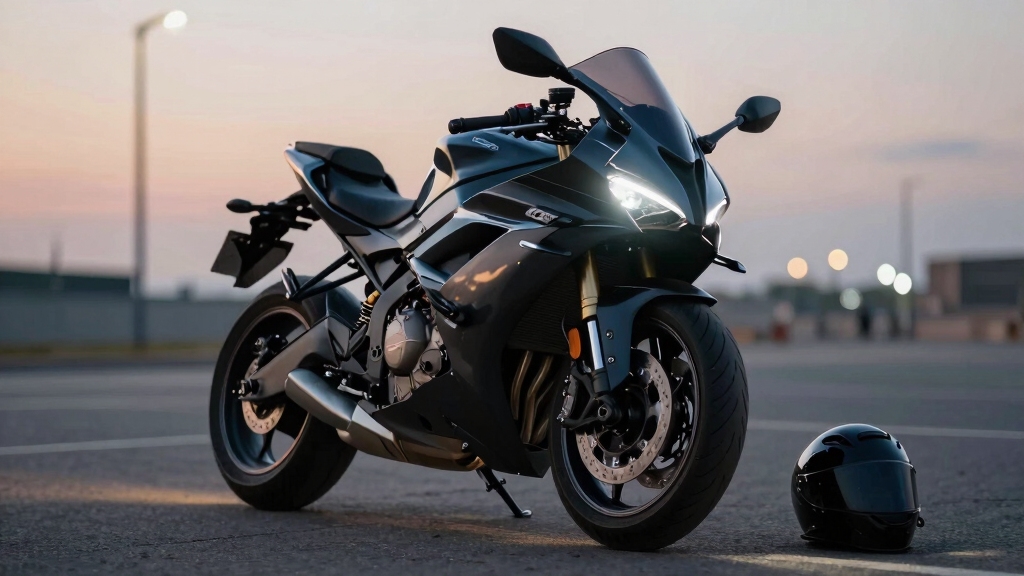
Facing a 600cc bike as your first ride can quickly overwhelm you with its excessive power and twitchy handling.
These bikes deliver aggressive throttle response that demands your full attention, making it harder to develop smooth control.
Because 600cc models are designed for racetracks, their sensitive inputs aren’t forgiving on the street.
You might be tempted to twist the throttle too hard, risking wheel lift or loss of traction, which increases accident chances.
This power surge can stunt your skill progression since you’ll constantly react to the bike’s behavior instead of learning proper techniques.
Starting with smaller engines, like 250cc or 300cc, helps you build confidence, master leaning, and maintain control.
These are foundations that a 600cc’s raw power can easily disrupt.
Additionally, if you ever need to perform maintenance or move a bike, knowing how to safely lift a motorcycle without specialized equipment is crucial.
How Weight Affects 600CC Handling for New Riders?
Along with managing the powerful throttle on a 600cc bike, you’ll also have to handle its heavier weight. This can make slow-speed control more difficult.
The bike’s heavier chassis demands more effort to balance, especially when you’re just learning to maneuver in parking lots or tight spaces. Its longer wheelbase can hinder quick U-turns, forcing you to plan your moves carefully.
Because of this weight, dropping the bike becomes more likely, leading to potentially costly repairs. Additionally, the sportbike’s twitchy handling, designed for racetracks, can catch you off guard when you’re still building confidence. Proper tire balancing helps improve handling and stability, which is crucial for new riders adapting to the bike’s weight.
What Safety Risks Beginners Face on 600CC Sportbikes?
Because 600cc sportbikes deliver more power than most beginners can handle, you’re at a higher risk of losing control. This often leads to crashes. Their aggressive throttle demands quick reactions, and the heavy weight makes low-speed maneuvers tricky.
You might also face sudden wheel lift or traction loss, especially without refined skills. Additionally, 600cc sportbikes often have a narrow power band that requires sustained high engine speeds and precise control, which can be challenging for new riders.
| Risk Factor | Impact on Beginners |
|---|---|
| Excessive Power | Overwhelms throttle control |
| Heavy Weight | Difficult balance and handling |
| Sensitive Inputs | Requires precise, quick responses |
| Higher Crash Rates | More severe accidents |
| Track-Oriented Design | Less forgiving on streets |
Understanding these risks helps you approach 600cc sportbikes cautiously. Consider safer options as you build confidence.
Why 250CC and 300CC Bikes Are Better Starters Than 600CCs?
You know, 250cc and 300cc bikes are really great options for beginners. They offer easier power control, which is super helpful for building your confidence without feeling overwhelmed. Plus, their lighter weight and better maneuverability make handling and balance a lot simpler, especially when you’re just starting out and riding at low speeds.
Starting with these smaller bikes is a smart move. It gives you the chance to develop essential riding skills before you think about moving up to a 600cc. Trust me, taking it step by step makes all the difference! Additionally, many beginner-friendly scooters feature fully automatic CVT transmissions, which help new riders focus on learning without worrying about manual gear changes.
Easier Power Management
When starting out, managing power smoothly is essential to building confidence and control on a motorcycle. A 600cc bike delivers far too much power for a novice, making it easy to unintentionally lift the front wheel or lose traction.
Its aggressive throttle response demands constant attention, which can slow down your skill development. These bikes are designed for racetracks, not street riding, so their sensitive inputs can catch you off guard.
On the other hand, 250cc and 300cc bikes offer more manageable power, allowing you to learn proper leaning and control without overwhelming acceleration. This helps you focus on mastering basics before handling stronger machines.
Choosing a smaller engine lets you build your riding skills safely and steadily, reducing the risk of accidents caused by overusing power. Additionally, factors like engine design and torque play a significant role in how manageable a bike’s power delivery feels to beginners.
Improved Handling and Balance
Mastering handling and balance is essential for any new rider. Starting on a 250cc or 300cc bike makes this process much smoother.
Smaller bikes are lighter, easier to maneuver at low speeds, and less intimidating. This helps you build confidence without risking heavy falls. In contrast, 600cc bikes are heavier and twitchier, making slow-speed control and tight maneuvers challenging.
Additionally, the weight effects of larger bikes increase inertia, requiring more physical effort to manage during low-speed riding.
| Feature | 250cc/300cc Bikes | 600cc Bikes |
|---|---|---|
| Weight | Lightweight (easy balance) | Heavier (harder to control) |
| Maneuverability | Nimble for parking & U-turns | Longer wheelbase, less agile |
| Throttle Response | Smooth, manageable | Aggressive, demanding |
| Drop Risk | Lower, smaller damage | Higher, costly repairs |
| Confidence Building | Faster skill progression | Slower due to complexity |
How Learning to Ride Differs on 600CC vs Smaller Bikes?
Although a 600cc bike offers impressive power and speed, learning to ride on one can overwhelm beginners due to its aggressive throttle response and heavier weight.
Unlike smaller bikes, a 600cc demands sharper focus and smoother inputs. Here’s how learning differs:
A 600cc bike requires sharper focus and smoother inputs, making the learning curve steeper than smaller bikes.
- You’ll face quicker acceleration, increasing the risk of wheel lift or loss of control.
- The heavier chassis makes slow-speed balancing and tight maneuvers more challenging.
- Sensitive throttle and brakes require refined coordination, slowing your confidence-building.
- The bike’s race-inspired geometry results in twitchy handling that’s less forgiving for novices.
Starting on smaller bikes like 250cc lets you develop essential skills—leaning, balance, and throttle control—without the pressure of managing excessive power. This foundation makes moving on to a 600cc safer and more manageable.
For beginners, selecting a bike with an appropriate engine capacity and manageable power delivery is crucial for developing control and confidence.
Maintenance and Repair Costs for Beginners
When you’re just starting out with riding, it’s good to know that repair costs for a 600cc bike can really add up. If you happen to drop it—let’s be honest, it happens, especially since these bikes are heavier—it can get pricey.
Plus, maintenance on a 600cc bike is usually more complicated and can hit your wallet harder compared to smaller bikes. Think about it: higher parts and labor fees can really add up.
Basic tune-ups for motorcycles typically cost between $250 and $300, which covers oil changes and minor adjustments, making regular maintenance essential to avoid even higher repair costs.
Repair Expenses Impact
Expect higher repair expenses when starting out on a 600cc bike due to its heavier weight and sportbike design.
These factors make drops and minor crashes more costly compared to smaller beginner bikes. You’ll likely face more frequent repairs as you learn to handle the bike’s aggressive throttle and sensitive controls.
Here’s how repair expenses impact you:
- Heavier chassis increases damage severity in falls, raising costs.
- Sportbike fairings are fragile and expensive to replace.
- Complex components require pricier parts and labor.
- Higher likelihood of drops slows budget recovery.
If you’re new, anticipate these expenses and consider starting with a smaller, more forgiving bike to minimize repair costs as you build skills. Additionally, investing in stability and anti-tilt features can help reduce damage risks during transport and handling.
Maintenance Complexity Levels
Because 600cc bikes come with advanced components and track-focused technology, their maintenance demands can overwhelm beginners.
You’ll face more complex systems like high-performance brakes and intricate fuel injection setups that require specialized tools and knowledge.
Routine tasks such as chain adjustments, brake pad replacements, and oil changes might take longer or cost more compared to smaller bikes.
Additionally, the sportbike’s sensitive electronics and tighter tolerances mean skipping or delaying maintenance can lead to costly repairs.
If you’re new, the learning curve to understand these systems can be steep, making it easy to miss critical upkeep.
Starting with a smaller, simpler bike lets you build maintenance skills confidently without getting bogged down by the complexity and expense that 600cc machines often entail.
For bigger riders, it’s also important to consider reinforced suspension and frame strength to avoid frequent repairs caused by inadequate support.
How Advanced Brakes Affect Control for New Riders?
Although advanced brakes on 600cc bikes provide shorter stopping distances and superior control, they can overwhelm new riders who haven’t yet developed precise braking skills.
These powerful brakes demand careful modulation, or you risk locking wheels and losing control. Here’s what you should keep in mind:
Careful brake modulation is crucial to avoid wheel lock-up and maintain control on powerful 600cc bikes.
- Advanced braking systems respond quickly, requiring smooth, confident input.
- Over-braking can cause front wheel lock-up, especially without ABS experience.
- The stronger bite can startle you, leading to abrupt stops or panic.
- Learning gradual brake application is essential before handling high-performance setups.
While these brakes enhance control for skilled riders, as a beginner, you might find them too sensitive.
Starting with a smaller, less aggressive braking system allows you to build confidence and develop safe habits before upgrading to 600cc power and brakes.
Is a 600CC Bike Right for Highway Riding?
Mastering the advanced brakes on a 600cc bike can be challenging for new riders. However, these bikes offer some advantages for highway riding.
You’ll benefit from higher top speeds and lower RPMs at typical freeway speeds. This reduces engine strain compared to smaller bikes, allowing for a more comfortable cruise on highways.
If you primarily ride highways as a beginner, a 600cc can suit your needs. It still demands careful throttle control and occasional downshifting to maintain efficiency.
Keep in mind that the power and weight require steady focus, especially in traffic. If you’re not confident handling these aspects, a smaller bike with smoother power delivery might be safer as you build experience.
When to Upgrade to a 600CC After Mastering Basics?
Once you’ve gained solid control on smaller bikes like a 250cc or 300cc, you’ll be ready to contemplate upgrading to a 600cc.
This step isn’t about rushing but ensuring you’ve mastered fundamental skills to handle the increased power and weight safely.
Consider these factors before upgrading:
- You confidently manage slow-speed maneuvers and balance on lighter bikes.
- You consistently control throttle response without jerky inputs.
- You’ve developed good braking and cornering techniques under various conditions.
- You regularly ride on highways where a 600cc’s performance benefits come into play.
Frequently Asked Questions
What Insurance Costs Should Beginners Expect With a 600CC Bike?
You should expect higher insurance costs with a 600cc bike as a beginner. Insurers see larger engines as riskier, especially for new riders, so premiums often rise.
Your rates might be two to three times more than for smaller bikes like 250cc models. Factors like your age, location, and driving record also affect costs.
To save money, consider completing safety courses and choosing higher deductibles.
How Does Fuel Efficiency Compare Between 600CC and Smaller Bikes?
You’ll find that 600cc bikes generally use more fuel than smaller 250cc or 300cc models because of their bigger engines and higher power output.
While they offer better highway performance, their fuel efficiency drops during city riding or stop-and-go traffic.
Smaller bikes excel in mileage, making them more economical for daily commutes and learning.
Are There Beginner-Friendly 600CC Models With Adjustable Power Settings?
Yes, some beginner-friendly 600cc models come with adjustable power settings to help you tame the bike’s aggressive throttle.
These modes reduce engine output, making the bike more manageable while you build confidence.
However, even with these features, the bike’s weight and sensitivity can still challenge you.
If you opt for a 600cc with power modes, use them wisely and consider starting on smaller bikes to master basic skills first.
What Gear and Protective Equipment Are Recommended for 600CC Beginners?
Since 600cc bikes are linked to higher beginner fatality rates, you must gear up thoroughly.
Always wear a DOT or ECE-certified full-face helmet, armored jacket, gloves, pants, and boots.
Invest in gear with abrasion resistance and impact protection, especially on elbows, knees, and spine.
Consider a chest protector for extra safety.
High-visibility clothing helps others spot you quickly.
Proper gear reduces injury risks and boosts your confidence when handling a powerful bike.
How Does Rider Height and Weight Influence 600CC Bike Choice?
Your height and weight greatly affect how you handle a 600cc bike.
If you’re shorter or lighter, the bike’s weight and size can feel overwhelming, making balance and control tougher.
Taller or heavier riders might find the bike more stable but still face challenges with aggressive throttle and sensitive handling.
You’ll need to make sure the bike fits your body well to maintain comfort, control, and safety.
This is especially important since 600cc bikes demand precise inputs.
Start Small, Ride Smart: The Road to 600cc Mastery
If you’re new to riding, jumping straight onto a 600cc bike might feel like wielding Excalibur: impressive but challenging. These machines can overwhelm you with power, weight, and advanced controls that demand finesse.
Starting with a 250cc or 300cc bike lets you build confidence, master basics, and stay safer. Once you’ve honed your skills and feel ready, upgrading to a 600cc will be a smarter, smoother ride toward your riding goals.